
Speech disorders are conditions that impact a person’s ability to produce sounds correctly, speak clearly, or form words properly. These issues can make verbal communication difficult, affecting social interactions, learning, and everyday life. Common speech disorders include stuttering, articulation disorders, and apraxia. Early diagnosis and speech therapy can significantly improve communication skills and overall quality of life.
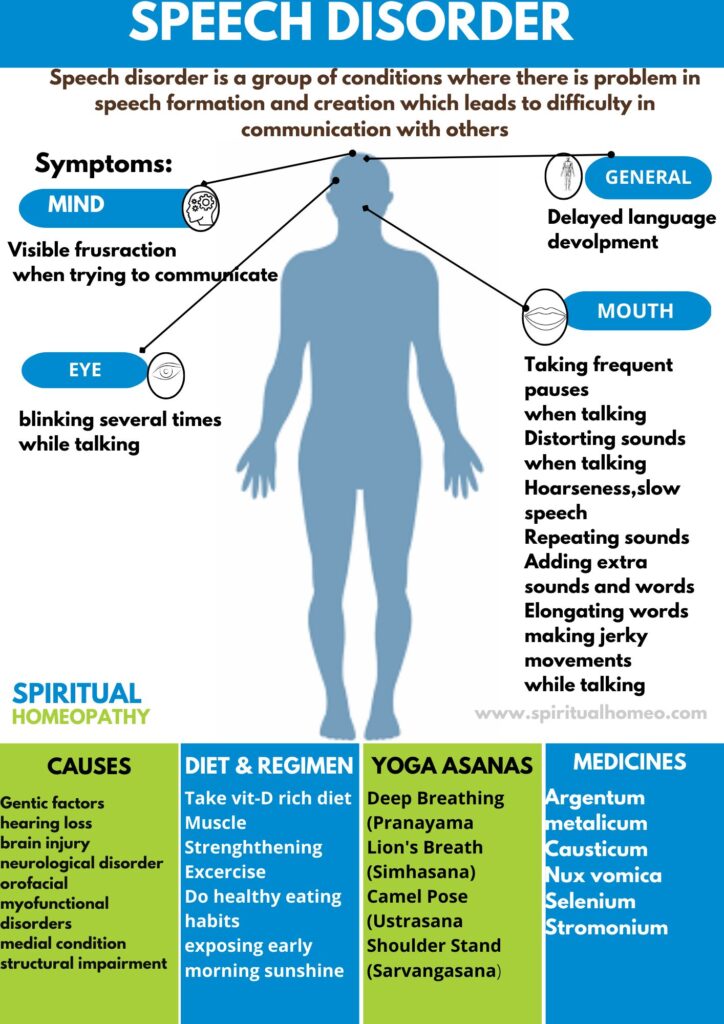
Speech disorders are conditions that affect a person’s ability to produce sounds clearly, which can make communication difficult. These disorders commonly involve challenges related to articulation, fluency, and voice quality, and they may affect both children and adults.
Fluency Disorders
Fluency is essential for smooth, uninterrupted speech. One of the most common fluency disorders is stuttering (also known as stammering), where a person may repeat sounds, syllables, or words. While stuttering can be a normal part of language development in young children, persistence beyond the age of four may indicate a speech disorder that requires professional evaluation.
Articulation Disorders
Articulation disorders involve difficulty in forming clear and correct speech sounds. These issues may be associated with dental problems such as misaligned teeth, structural conditions like cleft palate, or impaired muscle coordination seen in neurological conditions, including cerebral palsy or brain injuries. As a result, speech may sound slurred, unclear, or distorted.
Voice Disorders
Voice disorders affect the quality, pitch, volume, or tone of the voice. They may develop due to various underlying factors, including:
Vocal cord growths or tumors
Enlarged adenoids
Repeated vocal strain from shouting or prolonged speaking
Acid reflux
Nerve-related conditions affecting voice control
Early assessment helps identify contributing factors and supports an individualized care approach. At Spiritual Homeopathy Clinic, consultations are available across multiple branches in Hyderabad, with options for online and international consultations based on patient needs.
Speech disorders can arise from a variety of medical, genetic, neurological, and structural factors. Identifying contributing causes supports timely evaluation and appropriate care planning.
1. Hearing Loss
Impaired hearing is one of the most common causes of speech disorders. When a child cannot hear sounds clearly, it can affect the ability to learn, understand, and produce speech correctly.
2. Genetics and Heredity
Family history plays a significant role in speech development. Inherited traits may influence the size and shape of the mouth, jaw, teeth alignment, and the strength or coordination of facial muscles. Stuttering, in particular, often runs in families and is strongly associated with hereditary factors.
3. Neurological Disorders
Certain neurological conditions can interfere with the brain’s ability to control the muscles involved in speech. These may include:
Brain tumors
Traumatic brain injuries
Muscular dystrophy
Autism spectrum disorder
Down syndrome
Parkinson’s disease
Dementia
4. Orofacial Myofunctional Disorders
This condition involves abnormal tongue movements during speech or swallowing. While it is common in infancy and often resolves naturally, persistence may contribute to articulation issues such as lisping or unclear speech.
5. Medical Conditions
Conditions such as enlarged adenoids or tonsils may obstruct airflow and alter tongue positioning, affecting speech clarity. Other medical factors include:
Vocal cord damage
Nodules, polyps, or paralysis of the vocal cords
Oral or laryngeal cancers
6. Brain Injury and Stroke
Stroke or traumatic brain injury may result in apraxia of speech, a motor speech disorder where the brain has difficulty planning and coordinating speech movements.
7. Cognitive and Intellectual Impairment
Developmental delays or reduced cognitive functioning can affect language learning and speech production, particularly in children.
8. Structural Abnormalities
Physical differences such as cleft lip or palate, tongue or jaw abnormalities, and dental misalignments can interfere with articulation and sound clarity.
Understanding these causes helps guide an individualized care approach, as speech difficulties often vary in origin and severity. Professional evaluation supports appropriate management based on the underlying factors and overall health status.
Speech disorders can affect individuals of all ages and may arise from neurological, structural, or developmental factors. These conditions interfere with a person’s ability to produce speech sounds clearly, fluently, or with normal vocal quality. Below are the most common types of speech disorders seen in clinical practice.
1. Stuttering (Stammering)
Stuttering is a fluency disorder that disrupts the natural flow of speech. It is marked by repeated sounds, syllables, or words and may vary in severity depending on emotional state or communication settings.
Common symptoms include:
Repetitions: Involuntary repetition of sounds or words (e.g., “I-I-I want that”)
Blocks: Temporary inability to produce a sound, as if speech is “stuck”
Prolongations: Stretching out sounds or syllables (e.g., “ssssun”)
Physical signs may include:
Tension in the face or shoulders
Rapid eye blinking
Lip or jaw tremors
Sudden head movements
Clenched fists
Types of stuttering:
Developmental Stuttering: Most common in children learning to speak; often associated with genetic factors.
Neurogenic Stuttering: Caused by brain injury or neurological conditions that disrupt speech-related brain pathways.
2. Apraxia of Speech (Verbal Apraxia)
Apraxia is a motor speech disorder in which the brain has difficulty planning and coordinating the movements required for speech, even though the individual knows what they want to say.
Causes:
Brain injury (stroke or trauma)
Neurological conditions
Developmental delays
Characteristics:
Difficulty forming words correctly
Inconsistent speech errors
Increased effort during speech
Groping movements of the mouth or tongue
3. Dysarthria
Dysarthria occurs when damage to the brain results in weakness or poor control of the muscles involved in speech, including the lips, tongue, and vocal cords.
Symptoms of dysarthria:
Slurred or mumbled speech
Speaking too slowly or too quickly
Soft or reduced voice volume
Difficulty moving the mouth, tongue, or jaw
Monotone or nasal voice quality
Common causes include:
Stroke
Traumatic brain injury
Parkinson’s disease
Multiple sclerosis
Cerebral palsy
4. Articulation Disorders (Sound Speech Disorders)
These disorders involve difficulty producing individual speech sounds correctly, making speech unclear or hard to understand. Examples include lisping or substituting one sound for another (e.g., “wabbit” instead of “rabbit”).
Contributing factors:
Structural abnormalities such as cleft palate or dental issues
Poor muscle coordination
Developmental delays
5. Selective Mutism and Mutism
Mutism is a condition in which a person is physically capable of speaking but consistently does not speak in certain situations or environments.
Selective mutism most commonly affects children and is often associated with anxiety or psychological stressors.
6. Voice Disorders
Voice disorders affect the pitch, loudness, or quality of the voice, leading to hoarseness, strain, or abnormal voice tone.
Possible causes include:
Vocal cord nodules, polyps, or tumors
Vocal strain from overuse (yelling or singing)
Acid reflux
Nerve damage
Enlarged adenoids or tonsils
Laryngeal cancer
Persistent or progressive speech difficulties should be evaluated by a qualified healthcare professional. At Spiritual Homeopathy Clinic, consultations are available across multiple branches in Hyderabad, as well as through online and international consultation options, allowing assessment based on individual symptoms and overall health status.
1. Speech Sound Disorders (Articulation Disorders)
These involve difficulty in forming speech sounds correctly, which can make communication unclear.
Common symptoms include:
Mispronunciation: Substituting sounds (e.g., “wabbit” instead of “rabbit”)
Omission of Sounds: Skipping sounds in words (e.g., “ca” for “cat”)
Distorted Sounds: Sounds may be unclear or slurred
Difficulty with Complex Words: Trouble pronouncing long or multi-syllable words
2. Stuttering (Fluency Disorder)
Stuttering disrupts the natural flow of speech and may worsen during stress or emotional excitement.
Key signs include:
Repetition of sounds or words: (e.g., “b-b-b-baby”)
Prolonged sounds: Stretching parts of words (e.g., “ssss-oon”)
Blocks: Sudden pauses or inability to speak mid-sentence
Tension or struggle: Facial grimacing, eye blinking, clenched fists
Avoidance: Avoiding certain words or speaking situations
3. Apraxia of Speech (Motor Speech Disorder)
Apraxia involves difficulty planning and coordinating the muscle movements required for speech, even though the muscles themselves may function normally.
Common signs include:
Inconsistent errors: Mistakes may vary each time a word is spoken
Mispronounced words: Incorrect sounds or syllables
Difficulty with longer sentences: Trouble forming complete speech
Groping for sounds: Visible effort to find the correct word or sound
4. Dysarthria (Motor Speech Disorder)
Dysarthria results from weakness or poor control of the speech muscles due to neurological damage.
Symptoms include:
Slurred or slow speech
Soft, muffled, or nasal voice
Monotone speech: Reduced variation in tone
Breath control issues: Difficulty pausing or controlling breathing while speaking
Facial muscle weakness: Reduced coordination of the mouth and face
5. Voice Disorders
Voice disorders affect the quality, pitch, or volume of the voice and may result from vocal cord problems, overuse, or underlying medical conditions.
Common signs include:
Hoarseness or raspy voice
Voice breaks or pitch changes
Low volume or whispery speech
Complete loss of voice (aphonia)
Breathy or strained voice
6. Language Disorders (Understanding and Expressing Language)
Language disorders affect a person’s ability to understand or use language effectively.
Symptoms may include:
Difficulty forming complete or grammatically correct sentences
Word-finding difficulty: Frequent pauses or use of vague terms
Limited vocabulary compared to peers
Delayed speech development in children
Difficulty understanding instructions or questions
Incorrect word usage (e.g., saying “dog” instead of “cat”)
7. Speech Disorders in Children
Children may experience speech delays or disorders during developmental stages.
Common signs include:
Delayed speech milestones
Limited range of sounds or words
Persistent mispronunciations beyond expected age
Speech regression or loss of previously acquired skills
Difficulty using speech in social interactions or play
8. Aphasia (Language Disorder Due to Brain Injury or Stroke)
Aphasia is a language disorder commonly caused by stroke or brain injury and may affect speaking, understanding, reading, or writing.
Types include:
Expressive aphasia: Difficulty forming words or sentences
Receptive aphasia: Difficulty understanding spoken language
Word-finding difficulties: Omitting or substituting words
Mixed aphasia: Challenges with both expression and comprehension
1. Brain-Boosting Foods for Cognitive Support
The brain plays a vital role in speech production and language processing. Fueling it with appropriate nutrients supports memory, focus, and coordination.
Top brain-friendly foods include:
Omega-3 Fatty Acids
Salmon, mackerel, sardines
Chia seeds, flaxseeds, walnuts
Avocados
Antioxidant-Rich Foods
Blueberries, strawberries, blackberries
Leafy greens (spinach, kale, broccoli)
Almonds and walnuts
B Vitamins (for nerve health)
Whole grains (quinoa, oats, brown rice)
Eggs
Leafy greens and legumes
2. Muscle-Strengthening Foods for Speech Muscles
Speech requires coordinated movement of the tongue, lips, throat, and jaw. Proper nutrition helps maintain muscle strength and control.
Muscle-supporting nutrients include:
Proteins (muscle repair and strength)
Lean meats (chicken, turkey), fish
Eggs, legumes (chickpeas, lentils), tofu, tempeh
Magnesium (muscle function)
Pumpkin seeds, almonds, bananas
Spinach, quinoa, brown rice
Calcium (muscle contraction and nerve signaling)
Dairy (milk, yogurt, cheese)
Fortified plant-based milks (soy, almond)
Collard greens, spinach
3. Hydration & Oral Health for Clear Speech
Adequate hydration supports smoother speech and vocal endurance by keeping the mouth and vocal cords moist.
Recommended practices include:
Water: Aim for 8–10 glasses daily
Herbal teas: Chamomile, ginger, licorice root
Coconut water: Naturally hydrating and soothing
4. Immune-Boosting Foods for Throat Health
Supporting immune function may help reduce throat irritation or infections that can affect speech clarity.
Helpful foods include:
Vitamin C–rich foods
Citrus fruits, kiwi, strawberries
Bell peppers, broccoli
Zinc-rich foods
Pumpkin seeds, sunflower seeds
Lean meats, beans, chickpeas
5. Anti-Inflammatory Foods for Vocal Health
Inflammation in the throat or speech muscles can influence voice quality. Anti-inflammatory foods may help reduce irritation.
Common options include:
Turmeric
Ginger
Extra virgin olive oil
Along with balanced nutrition, consistent daily habits play an important role in supporting speech and communication.
1. Stay Hydrated
Drink water regularly throughout the day
Limit caffeine and alcohol, which may dry the vocal cords
2. Practice Vocal Exercises
Regular practice can support breath control, articulation, and vocal strength.
Breathing exercises (diaphragmatic breathing)
Pitch and tone activities such as humming
Focused articulation practice for challenging sounds
3. Speech Therapy Support
Guidance from a speech-language professional helps structure improvement.
Follow a personalized therapy plan
Practice exercises consistently at home
4. Manage Stress and Anxiety
Stress can worsen fluency issues or voice strain.
Meditation and mindfulness
Progressive muscle relaxation
Yoga for posture, breathing, and stress balance
5. Avoid Vocal Strain
Rest the voice when needed
Avoid frequent throat clearing
Limit yelling or prolonged loud speaking
6. Maintain Consistency
Set aside time daily for speech practice
Use digital tools or recordings to track progress
🌿 Yoga Asanas for Speech Delay
Yoga practices can support posture, breathing, and relaxation, which may help children with speech delay when used as part of a broader care plan. These practices are supportive in nature and are not a replacement for medical or speech therapy care.
1. Simhasana (Lion’s Pose)
Benefits:
Strengthens the throat and vocal cords
Stimulates tongue movement and facial muscles
May help reduce shyness or speech-related anxiety
How to do it:
Sit on your knees with hands on the thighs. Inhale deeply, then open the mouth wide, stretch the tongue out, and exhale forcefully while making a lion-like sound.
2. Bhramari Pranayama (Bee Breathing)
Benefits:
Supports voice modulation and speech fluency
Calms the nervous system and reduces anxiety
Creates gentle vibrations in the throat area
How to do it:
Close the eyes and inhale deeply. While exhaling, make a humming sound like a bee, keeping the lips closed and ears gently covered with fingers.
3. Matsyasana (Fish Pose)
Benefits:
Opens the throat and chest region
Supports respiratory and vocal function
Improves oxygen flow, supporting brain function
How to do it:
Lie on the back, lift the chest, and place the crown of the head on the floor. Arch the back gently, keeping the legs straight or in a comfortable position.
4. Sarvangasana (Shoulder Stand)
Benefits:
Enhances blood flow to the brain and throat
Stimulates thyroid function, supporting voice clarity
Helps balance the nervous system
Caution:
Avoid in very young children or in those with neck issues. Practice only under trained supervision.
5. Vakrasana (Twisted Pose)
Benefits:
Improves spinal flexibility and posture control
Supports nervous system coordination
Encourages relaxation and focus, aiding language learning
6. Padmasana with Nasal Breathing
Benefits:
Encourages calm, controlled breathing
Improves focus and self-regulation
Provides a stable posture for speech or sound practice
🧘♂️ Tips for Practice
Practice under the guidance of a qualified yoga instructor, especially for children
Yoga should be combined with speech therapy or professional care when advised
Keep sessions short, simple, and engaging
Consistency is important; brief daily practice may be helpful
Yoga and lifestyle practices may be adapted based on the child’s age, comfort, and overall health status. Consultation with a healthcare professional is recommended if speech delay is persistent or associated with other developmental concerns. At Spiritual Homeopathy Clinic, consultations are available across multiple branches in Hyderabad, as well as through online and international modes.
Homeopathy is a natural system of care that focuses on understanding the underlying factors contributing to illness, rather than addressing symptoms alone. It works alongside the body’s natural healing responses and is commonly used across different age groups. Care is individualized, with treatment plans adapted to a person’s symptoms, health history, and overall well-being. Homeopathy is often considered for both acute concerns and long-term health management under professional guidance.
At Spiritual Homeopathy Clinic, the focus is on providing structured, patient-centered care that considers physical symptoms along with emotional and lifestyle factors. Consultations are available across multiple branches in Hyderabad, as well as through online and international consultation modes, allowing access to care for patients who cannot visit in person.
The clinical approach emphasizes careful assessment and ongoing review to support overall health management.
The clinic follows a structured and individualized method of care:
Root-Cause Assessment: Clinical evaluation aims to identify contributing factors influencing the condition, rather than symptom suppression alone.
Personalized Care Plans: Management strategies are tailored to individual health needs, lifestyle, and symptom patterns.
Professional Guidance: Consultations are conducted by qualified homeopathy practitioners, with options for in-clinic and online follow-up.
Holistic Perspective: Physical, emotional, and lifestyle aspects are considered as part of long-term health support.
1. Detailed Consultation
Each consultation includes a review of medical history, current concerns, lifestyle factors, and overall health status to guide individualized care planning.
2. Individualized Homeopathic Care
The homeopathic approach focuses on long-term management and addressing contributing factors, with care plans adjusted over time based on response and clinical assessment.
3. Follow-Up and Monitoring
Regular follow-ups help track progress, reassess symptoms, and modify care plans when needed, supporting continuity of care.
Spiritual Homeopathy Clinic emphasizes medically responsible, individualized care delivered with professional oversight. Patients are encouraged to seek consultation for appropriate evaluation and guidance, especially for persistent or recurrent health concerns.
You should consult a healthcare professional if speech delay is noticeable, persistent, or begins to affect a child’s communication, learning, or social interaction. Early evaluation helps identify possible contributing factors and supports timely guidance.
Seek consultation if you notice:
Delayed speech milestones compared to age
Limited vocabulary or difficulty forming words or sentences
Unclear or hard-to-understand speech for age
Poor response to sounds or spoken instructions
Frustration, behavioral issues, or withdrawal due to communication difficulty
No improvement despite regular interaction and home-based practice
At Spiritual Homeopathy Clinic, consultations for speech delay are available at multiple branches in Hyderabad, including Kukatpally, Chandanagar, Dilsukhnagar, and Nallagandla. Online and international consultations are also available for families who cannot visit in person. A professional assessment helps plan an individualized care approach based on the child’s developmental needs and overall health.
For appointments or guidance, contact 9069 176 176.
Speech delay is a condition where a child does not develop speech and language skills at the expected age. This may include slow vocabulary development, unclear pronunciation, or difficulty forming age-appropriate sentences.
Common signs may include:
Not babbling by 12 months
Not saying first words by 16–18 months
Difficulty combining words by age 2
Poor pronunciation or unclear speech
Limited vocabulary for age
Not responding consistently to verbal instructions
Speech delay may be associated with several factors, including:
Hearing loss
Autism spectrum disorder (ASD)
Neurological conditions (e.g., cerebral palsy)
Intellectual or developmental delays
Oral-motor issues (such as tongue or jaw weakness)
Family history of speech or language difficulties
Environmental factors, including limited verbal interaction
Not exactly.
Speech delay refers to difficulty producing sounds clearly.
Language delay involves challenges in understanding or using words and sentences.
Consultation with a speech-language professional is advised if a child:
Is not saying any words by 18 months
Has fewer than 50 words by age 2
Does not combine words by age 2.5
Shows frustration while trying to communicate
Has unclear speech beyond age 3
Mild delays in some children may improve with age and consistent language exposure. However, ongoing or significant delays should be evaluated to reduce the risk of long-term communication difficulties.
Assessment may involve evaluation of:
Speech and language milestones
Hearing ability
Cognitive and motor development
Family and developmental history
Management may include:
Structured speech therapy with a qualified professional
Regular home-based practice through reading, talking, and play
Addressing underlying factors such as hearing or developmental concerns
Helpful strategies include:
Talking to the child regularly using clear language
Reading picture books daily
Singing rhymes and songs
Using real words instead of baby talk
Encouraging naming of objects and actions
Using gestures or visual cues when needed
Excessive or passive screen time may be associated with delayed speech and language development. Interactive play and direct communication are generally more supportive of language learning.
Learning two languages may slightly slow early speech milestones in some children, but it does not cause true speech delay. Most bilingual children catch up over time.
Hearing is essential for speech development. Reduced hearing can affect sound imitation and word learning, making hearing assessment an important part of evaluation.
WhatsApp us