
Nasal polyps are soft, painless, noncancerous growths that develop on the lining of the nasal passages or sinuses due to chronic inflammation. They are commonly associated with conditions such as allergies, asthma, chronic sinus infections, and certain immune system disorders. Nasal polyps can cause symptoms such as persistent nasal congestion, blocked nose, difficulty breathing through the nose, reduced or loss of sense of smell and taste, postnasal drip, facial pressure, headaches, snoring, and recurrent sinus infections. While small nasal polyps may not cause noticeable symptoms, larger or multiple polyps can significantly affect breathing and overall quality of life. Seeking early nasal polyp treatment and proper evaluation can help prevent recurring sinus problems and long-term complications.
At Spiritual Homeopathy, we believe in treating the root cause of nasal polyps rather than simply suppressing symptoms. Our experienced homeopathic doctors carefully evaluate each patient’s symptoms, medical history, allergy profile, sinus health, immune function, lifestyle, and overall health before preparing an individualized treatment plan. Our holistic approach focuses on providing natural nasal polyp treatment, reducing chronic inflammation, improving nasal breathing, preventing recurrent sinus infections, and offering long-term relief through safe and personalized homeopathic care. We specialize in homeopathic treatment for nasal polyps, chronic sinusitis, allergic rhinitis, recurrent sinus infections, and other chronic nasal conditions.
We provide personalized homeopathic treatment for nasal polyps in Hyderabad to patients of all age groups through our clinics in Hyderabad, as well as online homeopathy consultations for patients across India and in more than 100 countries worldwide. If you are looking for the best homeopathy doctor for nasal polyps, natural treatment for chronic sinus problems, relief from nasal blockage, or long-term sinus health management, Spiritual Homeopathy is committed to delivering expert, patient-centered care wherever you are.
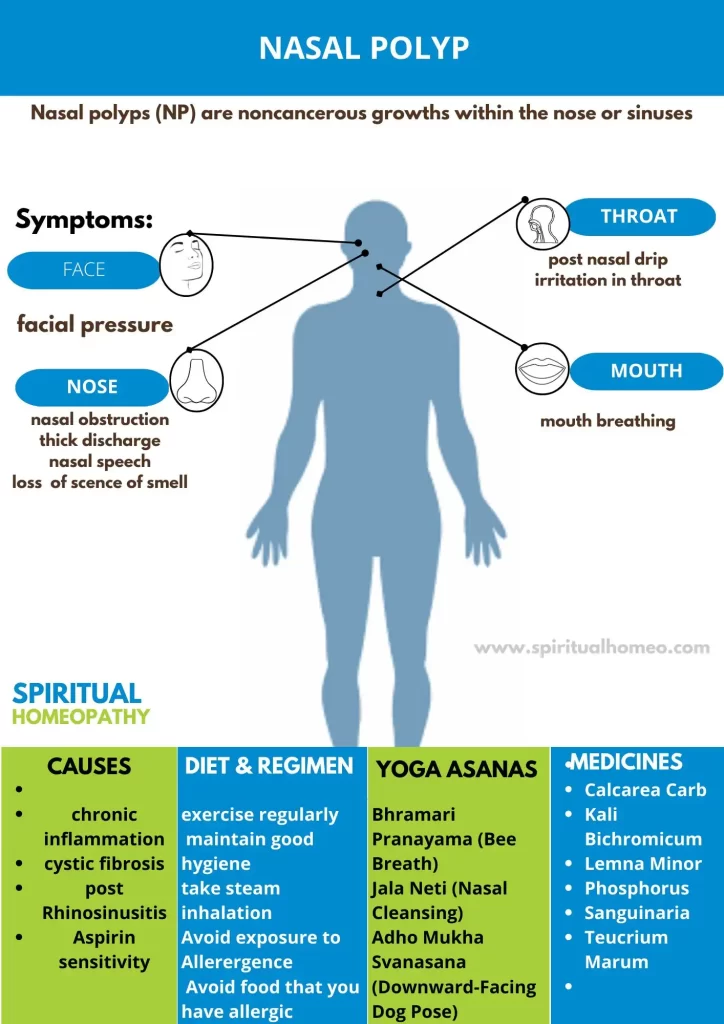
Nasal polyps are soft, noncancerous growths that develop in the lining of the nose or sinuses. Their exact cause is not fully understood, but they are often associated with chronic inflammation. Conditions such as allergies, asthma, cystic fibrosis, aspirin sensitivity, and recurrent sinus infections can contribute to their development.
Nasal polyps affect about 4% of the population at any given time, with up to 40% of people developing them at some point in their lives. They usually appear after the age of 20 and are slightly more common in men than women.
The exact cause of nasal polyps is not fully understood, but they are closely linked to chronic inflammation of the nasal passages and sinuses. These soft, painless, noncancerous growths often develop in individuals with ongoing sinus problems. Certain underlying medical conditions are commonly associated with nasal polyp formation.
Common Conditions Linked to Nasal Polyps:
Chronic Rhinosinusitis – A major contributor, involving persistent sinus inflammation lasting 12 weeks or more. It can occur with or without nasal polyps, and the role of bacteria or other microorganisms remains unclear.
Asthma – This chronic respiratory condition frequently coexists with nasal polyps.
Aspirin Sensitivity (Aspirin-Exacerbated Respiratory Disease) – Characterized by asthma, nasal polyps, and sensitivity to aspirin or other NSAIDs.
Cystic Fibrosis (CF) – A genetic disorder affecting mucus production and drainage. CF is the most common cause of nasal polyps in children. Any child aged 12–20 presenting with nasal polyps should be evaluated for CF. Approximately 50% of individuals with CF develop significant polyps requiring ongoing care.
Other Conditions Associated with Nasal Polyps:
Allergic Fungal Sinusitis
Kartagener’s Syndrome – A rare genetic disorder with defective cilia and chronic respiratory infections.
Young’s Syndrome – Affects male fertility and respiratory health.
Eosinophilic Granulomatosis with Polyangiitis (Churg-Strauss Syndrome) – An autoimmune disease involving blood vessel inflammation.
Nasal Mastocytosis – Rare accumulation of mast cells in the nasal mucosa.
Nasal polyps are generally classified based on their origin within the nasal and sinus cavities. The two most common types are bilateral ethmoidal polyps and antrochoanal polyps. Understanding the type helps guide individualized care and management.
Bilateral ethmoidal polyps are the most common type in adults. They originate from the ethmoid sinuses, located between the eyes, and typically appear on both sides of the nasal cavity (hence “bilateral”).
These polyps are often associated with:
Chronic rhinosinusitis with nasal polyposis (CRSwNP)
Asthma
Aspirin sensitivity
Allergic fungal sinusitis
They tend to be multiple, soft, and pale, often causing nasal blockage, reduced sense of smell (anosmia), and postnasal drip. Management may include medical therapies or, in certain cases, endoscopic procedures guided by a healthcare professional.
Antrochoanal polyps are less common and are usually found in children and young adults. They originate from the maxillary sinus (antrum) and extend through the choana (the back of the nasal cavity) into the nasopharynx.
Key features include:
Typically unilateral (affecting one side)
Usually solitary (single polyp)
Can cause nasal obstruction, snoring, and breathing difficulty, particularly in children
Unlike ethmoidal polyps, antrochoanal polyps are generally not linked to allergic conditions. Proper assessment by a qualified healthcare professional is important for determining whether surgical intervention, such as functional endoscopic sinus surgery (FESS), is needed to prevent recurrence.
Nasal polyps and chronic sinus conditions can lead to a variety of symptoms that may affect daily life. Common signs include:
Nasal Congestion: Persistent stuffiness or blockage in the nose, often making it difficult to breathe through one or both nostrils.
Sinusitis: Inflammation or infection of the sinuses, which can be acute or chronic, frequently associated with nasal polyps.
Loss of Smell (Anosmia): Reduced or complete loss of the sense of smell, a hallmark symptom of nasal polyps.
Thick Nasal Discharge: Mucus that may appear yellow or green, indicating sinus inflammation or infection.
Facial Pressure or Pain: Heaviness, discomfort, or tenderness around the eyes, forehead, and cheeks, often worse when leaning forward.
Nasal Speech: A muffled or “blocked” quality to the voice due to restricted airflow through the nasal passages.
Mouth Breathing: Breathing primarily through the mouth, particularly during sleep, as a result of nasal obstruction.
Managing nasal polyps and chronic sinus problems often requires a proactive approach to overall respiratory health. The following measures can help reduce symptoms and minimize recurrence:
Maintain Good Hygiene
Practicing personal and environmental hygiene is essential. Regular handwashing, keeping living spaces clean, and avoiding close contact with individuals who have respiratory infections can help reduce the risk of infections that may trigger or worsen sinus issues.
Treat Existing Respiratory Conditions Promptly
Conditions such as the common cold, bronchitis, and asthma can contribute to nasal inflammation if left unmanaged. Early evaluation and appropriate treatment can help control symptoms and prevent complications like nasal polyps.
Limit Allergen Exposure
To reduce nasal irritation and inflammation, avoid common allergens and irritants such as:
Pollen
Perfumes and strong fragrances
Cigarette smoke and tobacco
Dust and mold
Chemical fumes and pollutants
Using air purifiers and keeping windows closed during high-pollen seasons can also support nasal and sinus health.
Use Steam Inhalation
Steam therapy can relieve nasal congestion and support sinus drainage. Regular steam inhalation, particularly during colds or sinus flare-ups, may ease breathing and reduce inflammation.
Incorporate Yoga and Breathing Exercises
Yoga, especially deep breathing techniques like Pranayama, can strengthen the respiratory system, enhance lung function, and support sinus health. These practices may also help reduce stress, which can contribute to chronic inflammation.
Yoga can support respiratory and sinus health by improving airflow, reducing congestion, and enhancing circulation. These practices are supportive measures and should not replace medical care. Patients with nasal polyps or chronic sinus issues may consult Spiritual Homeopathy Clinic for individualized guidance.
Anulom Vilom (Alternate Nostril Breathing)
Benefits: Clears nasal passages, improves airflow, and calms the nervous system.
How to Do: Inhale through one nostril while gently closing the other, then exhale through the opposite nostril. Repeat alternately for several cycles.
Bhramari Pranayama (Humming Bee Breathing)
Benefits: Reduces sinus pressure, soothes the mind, and supports nasal passage health.
How to Do: Inhale deeply and exhale while making a humming sound with your mouth closed.
Jal Neti (Nasal Cleansing with Saline Water)
Benefits: Removes mucus and allergens, supporting easier breathing.
Note: Use sterile saline water in a neti pot. Beginners should practice under guidance.
Setu Bandhasana (Bridge Pose)
Benefits: Opens chest and sinus passages, enhances lung capacity, and improves circulation.
How to Do: Lie on your back, bend your knees, and lift your hips while keeping feet and shoulders grounded.
Bhujangasana (Cobra Pose)
Benefits: Opens the chest, enhances blood flow to the sinus region, and improves respiratory function.
How to Do: Lie on your stomach, press hands into the floor, and lift the upper body while keeping hips grounded.
Adho Mukha Svanasana (Downward-Facing Dog)
Benefits: Supports sinus drainage and increases blood circulation to the head and face.
How to Do: Form an inverted V-shape with hands and feet on the mat, lifting the hips high.
Sarvangasana (Shoulder Stand) – For Experienced Practitioners
Benefits: Enhances lymphatic drainage and blood flow to the nasal and head region.
Caution: Avoid if you have high blood pressure, neck problems, or other contraindications.
Homeopathy is a gentle, natural system of healing that focuses on addressing the root cause of illness rather than just the symptoms. It works in harmony with your body’s innate ability to heal itself. Safe for all ages and tailored to individual needs, homeopathy supports long-term health and well-being.
Whether you are managing a chronic condition or seeking relief from acute symptoms, homeopathy provides a holistic, individualized approach to support recovery and overall balance.
Consultations are available at our multiple Hyderabad branches, as well as online and internationally for patients outside India.
At Spiritual Homeopathy, our focus is on helping you achieve wellness—physically, emotionally, and spiritually. Our approach emphasizes identifying underlying imbalances that contribute to illness, enabling long-term health and vitality.
We provide in-clinic, online, and international consultations, ensuring personalized care is accessible no matter where you are.
Our approach combines classical homeopathy with an understanding of emotional and spiritual health. Key aspects of our practice include:
Root-Cause Healing: We look beyond surface symptoms to address the underlying causes of illness.
Personalized Treatment: Every plan is customized according to your health history, lifestyle, and emotional needs.
Experienced Team: Our trained homeopathy doctors in Hyderabad offer guidance in-clinic, online, and internationally.
Safe & Well-Tolerated: Remedies are generally gentle, non-addictive, and selected under professional guidance.
Holistic Care: Emotional and spiritual factors are integrated into treatment for balanced health.
We begin by carefully assessing your health history, lifestyle, emotional state, and symptoms to develop a personalized treatment plan. This ensures care is tailored to your specific needs.
Remedies are selected to support long-term management and address contributing factors. They are generally well-tolerated under professional supervision and can assist with both acute issues (like infections or allergies) and chronic conditions (such as digestive or skin concerns).
Regular follow-ups allow us to monitor progress, adjust treatment as needed, and provide continued guidance to support overall wellness.
Your health is our priority. At Spiritual Homeopathy, we focus on personalized care and root-cause management, guiding you toward balanced, sustainable health.
Whether you seek relief from a specific condition or wish to enhance general vitality, our team is here to provide safe and professional guidance.
You should consult a healthcare professional if nasal blockage, breathing difficulties, or related symptoms become frequent, persistent, or start affecting your daily life. Early evaluation helps identify underlying causes and supports effective, individualized care.
Seek consultation if you notice:
Recurring or persistent nasal congestion
Difficulty breathing through the nose
Loss of smell or taste
Thick nasal discharge or post-nasal drip
Facial pressure, pain, or headaches
Snoring or mouth breathing
Symptoms that worsen at night or disturb sleep
At Spiritual Homeopathy Clinic, consultations are available at multiple Hyderabad branches, including Kukatpally, Chandanagar, Dilsukhnagar, and Nallagandla. We also offer online and international consultations for patients who cannot visit in person. A professional assessment ensures an individualized care plan based on your symptoms, health history, and overall condition.
For appointments or guidance, contact 9069 176 176.
The main cause of nasal polyps is chronic inflammation of the nasal passages and sinuses, particularly a condition known as chronic rhinosinusitis. This persistent irritation and swelling cause the mucous membranes to become water-logged and eventually form soft, tear-drop-shaped growths.
Nasal polyps are soft, noncancerous growths in your sinuses or nasal passages. While not life-threatening or malignant, they can be highly disruptive. Untreated polyps can trigger breathing problems, persistent loss of smell, and chronic sinus infections. In severe cases, they can cause obstructive sleep apnea.
In severe cases, if nasal polyps are left untreated , they can grow large enough to obstruct the airway. This makes it difficult to breathe and smell, and also increases the risk of sleep disturbances.
If nasal polyps go untreated, they can progressively grow, leading to severe nasal blockages, recurring sinus infections, and a potential permanent loss of taste and smell. The resulting airway obstruction can also trigger or worsen asthma flare-ups and cause Obstructive Sleep Apnea (OSA).
The root cause of nasal polyps is chronic, long-term inflammation of the mucus membranes lining the nose and sinuses. When these tissues remain swollen for extended periods (usually longer than 12 weeks), gravity and fluid retention cause them to form soft, teardrop-shaped, noncancerous growths.
Nasal polyps are associated with chronic inflammation of the paranasal sinuses and mainly associated with atopy. Vitamin D deficiency is common in the Indian population and deficiency of vitamin D leads to significant inflammation and leads to polyps.