


PMOS (Polyendocrine Metabolic Ovarian Syndrome) is a complex hormonal and metabolic condition that can affect menstrual cycles, ovulation, fertility, skin, hair, weight, and overall metabolic health. It may be associated with irregular or missed periods, difficulty with ovulation, acne, excess facial or body hair, scalp hair thinning, weight-related changes, and difficulty becoming pregnant. PMOS can occur in people with ovaries across different body sizes, and having ovarian cysts is not required for diagnosis.
At Spiritual Homeopathy, we take a personalized approach when supporting individuals experiencing PMOS-related concerns. Our homeopathic doctors assess the person’s menstrual history, symptom pattern, lifestyle, dietary habits, stress levels, general health, and relevant medical history before developing an individualized care plan. Our holistic approach focuses on supporting overall well-being and addressing the different concerns associated with hormonal imbalance, rather than looking at a single symptom in isolation.
We provide personalized homeopathic consultations for PMOS in Hyderabad through our clinics and also offer online homeopathy consultations for patients across India and in more than 100 countries worldwide. If you are experiencing irregular periods, acne, unwanted hair growth, weight-management difficulties, or fertility-related concerns, professional evaluation is important because similar symptoms can occur with other hormonal or metabolic conditions. PMOS is a long-term condition that may also be associated with insulin resistance, type 2 diabetes, high blood pressure, and cardiovascular risk, so appropriate medical monitoring is importanT.
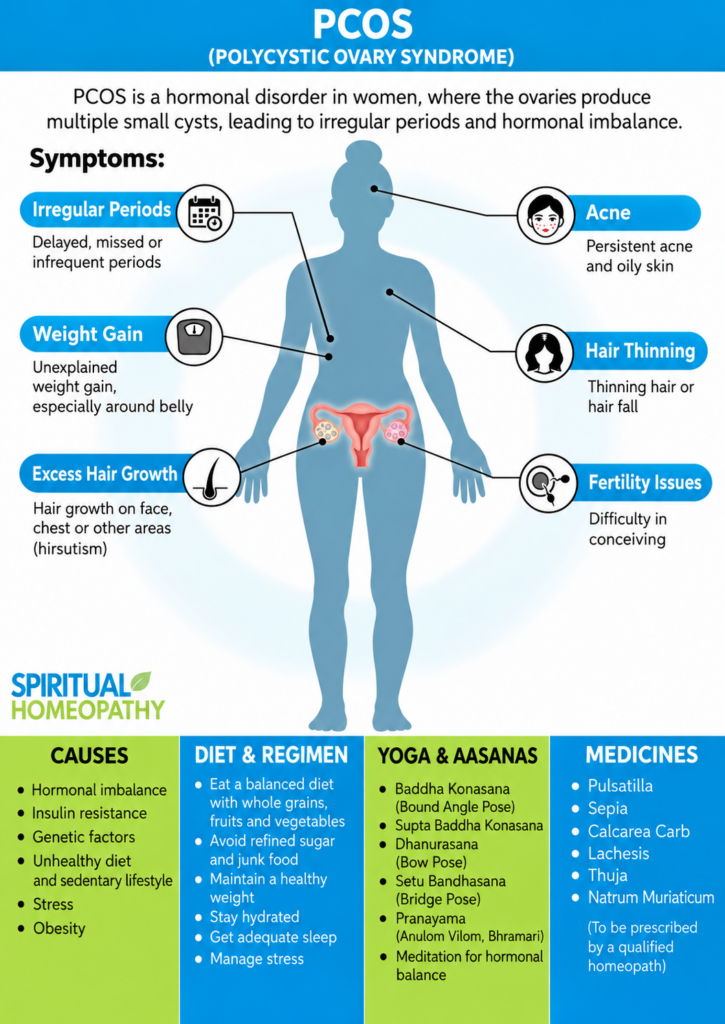
PMOS: Understanding Its Hormonal, Metabolic, and Reproductive Impact
PMOS, as you are using the term here, refers to a hormonal and metabolic condition that can affect reproductive health as well as several other aspects of the body. It may influence menstrual regularity, ovulation, fertility, insulin sensitivity, weight management, skin health, and hair growth. Common concerns may include irregular or missed periods, acne, increased facial or body hair, scalp hair thinning, and difficulty with conception. The symptoms and their severity can vary significantly from one person to another.
PMOS is not simply an ovarian condition. Hormonal changes and metabolic factors can interact with each other, which is why a broader assessment may be useful. Factors such as insulin resistance, excess androgen activity, lifestyle, genetics, body weight, stress, and sleep patterns may contribute to the development or persistence of symptoms. Long-term health monitoring may also be important because some people with this condition have an increased risk of metabolic problems.
Managing PMOS generally involves understanding the individual’s symptoms and identifying associated hormonal or metabolic concerns. A balanced eating pattern, regular physical activity, adequate sleep, stress management, and appropriate medical monitoring can form important parts of overall care. Treatment recommendations should be personalized according to age, symptoms, reproductive goals, and other health factors.
Spiritual Homeopathy Clinic provides individualized consultation support through its branches in Hyderabad, along with online consultations across India and international consultation options. Individuals experiencing irregular periods, hormonal concerns, acne, unwanted hair growth, or fertility difficulties are encouraged to seek appropriate professional evaluation to understand the underlying cause and receive suitable guidance.
What Causes PMOS? Understanding the Factors Behind This Hormonal and Metabolic Condition
PMOS can develop through a combination of hormonal, metabolic, genetic, and lifestyle-related factors. There is no single cause that explains every case. The condition can present differently among individuals, with some experiencing mainly menstrual or fertility concerns while others may have symptoms related to insulin regulation, weight, skin, or hair.
Common Factors Associated with PMOS:
1. Hormonal Imbalance:
Alterations in reproductive hormones, particularly higher-than-usual androgen activity, can interfere with normal ovulation and menstrual cycles.
2. Insulin Resistance:
When the body’s cells respond less effectively to insulin, the body may produce more insulin to maintain normal blood glucose levels. Higher insulin levels can influence ovarian hormone production and contribute to PMOS-related symptoms.
3. Increased Androgen Activity:
Elevated levels or activity of male-type hormones can be associated with acne, unwanted facial or body hair, scalp hair thinning, and irregular ovulation.
4. Genetic Predisposition:
PMOS may occur more frequently within some families, suggesting that inherited genetic factors can contribute to an individual’s susceptibility.
5. Weight and Metabolic Factors:
Excess body weight may worsen insulin resistance and hormonal disturbances in some individuals. However, PMOS can also occur in people who are not overweight.
6. Irregular Ovulation:
Disrupted ovulation can affect the regularity of menstrual cycles and may contribute to difficulties with conception.
7. Lifestyle Patterns:
Limited physical activity, an unbalanced diet, inadequate sleep, and ongoing stress may influence metabolic and hormonal health and can aggravate existing symptoms.
8. Chronic Stress:
Long-term psychological stress can affect sleep, appetite, and hormonal regulation. It may also make existing PMOS symptoms more difficult to manage.
9. Sleep Disturbances:
Poor sleep or inconsistent sleep patterns can affect metabolic health and may be associated with insulin regulation and hormonal changes.
10. Associated Metabolic Conditions:
PMOS may occur alongside metabolic concerns such as abnormal cholesterol levels, elevated blood pressure, impaired glucose regulation, or increased risk of type 2 diabetes.
Because PMOS involves multiple interconnected factors, identifying the individual’s hormonal profile, metabolic health, symptoms, lifestyle, and medical history can help guide appropriate evaluation and personalized management.
Different Types of PMOS: Understanding the Common Presentations
PMOS can present differently depending on the individual’s hormonal pattern, metabolic health, menstrual symptoms, and reproductive concerns. There is no single symptom pattern that applies to everyone, and some individuals may experience only a few features of the condition.
1. Predominantly Insulin-Resistance Pattern:
In this presentation, reduced insulin sensitivity is a major concern. It may be associated with weight-management difficulties, increased hunger, blood sugar disturbances, or difficulty maintaining metabolic health.
2. Androgen-Dominant Pattern:
Higher androgen activity may be more prominent in some individuals. Common features can include acne, increased facial or body hair, oily skin, or thinning of scalp hair.
3. Ovulatory Dysfunction Pattern:
Some individuals primarily experience irregular, infrequent, or absent ovulation. This can result in unpredictable menstrual cycles and may make conception more difficult.
4. Metabolic-Risk Pattern:
This presentation may involve a combination of insulin resistance, abnormal cholesterol levels, increased blood pressure, or other metabolic concerns. Regular health monitoring may be important.
5. Reproductive-Focused Presentation:
For some individuals, the main concern is fertility. Irregular ovulation may reduce the frequency of opportunities for conception and can require appropriate reproductive evaluation.
6. Mixed Presentation:
Many individuals have a combination of hormonal, menstrual, metabolic, skin, hair, and reproductive features rather than fitting into one specific category.
Understanding the individual’s symptoms, hormone levels, menstrual history, metabolic profile, and reproductive goals is important when evaluating PMOS. A healthcare professional can determine the appropriate diagnosis and recommend suitable management based on the person’s specific needs.
Common Signs of PMOS: Hormonal and Metabolic Changes to Watch For
PMOS can affect different areas of health, including menstrual function, hormones, metabolism, skin, hair, and fertility. Symptoms are not identical for everyone, and some individuals may have only a few noticeable changes. Recognizing persistent or unusual symptoms can encourage timely evaluation.
Common Symptoms of PMOS:
1. Irregular Periods
Menstrual cycles may become unpredictable, occur less frequently, or sometimes stop for several months because of irregular ovulation.
2. Heavy or Prolonged Menstrual Bleeding
When ovulation does not occur regularly, the uterine lining may build up and result in heavier or longer-than-usual periods in some individuals.
3. Acne and Oily Skin
Changes in androgen activity may increase oil production and contribute to persistent acne, particularly on the face, chest, or back.
4. Excess Facial or Body Hair
Unwanted hair growth on areas such as the chin, upper lip, chest, or abdomen can occur when androgen levels or activity are elevated.
5. Scalp Hair Thinning
Some people may notice gradual thinning of the hair on the scalp or increased hair shedding associated with hormonal changes.
6. Difficulty With Ovulation and Fertility
Irregular ovulation can make it harder to predict fertile periods and may contribute to difficulties when trying to conceive.
7. Weight Changes
Some individuals experience weight gain or find it more challenging to lose weight, particularly around the abdomen. However, PMOS can also occur in people with a normal body weight.
8. Increased Hunger or Food Cravings
Changes in insulin regulation may be associated with increased appetite, frequent hunger, or cravings for carbohydrate-rich foods in some individuals.
9. Darkened Skin Patches
Areas of thicker, darker skin, particularly around the neck, underarms, or groin, may occur in association with insulin resistance.
10. Mood and Energy Changes
Some individuals may experience tiredness, low mood, irritability, or emotional changes. These symptoms can also have other causes and should not automatically be attributed to PMOS.
PMOS symptoms can differ considerably from person to person. Irregular periods, significant changes in hair growth, persistent acne, unexplained weight changes, or fertility difficulties should be discussed with a qualified healthcare professional. Proper evaluation can help distinguish PMOS from other hormonal, metabolic, or reproductive conditions.
Diet and Lifestyle for PMOS: Practical Habits for Hormonal and Metabolic Wellness
Nutrition and daily habits can play an important role in supporting hormonal balance, healthy blood sugar regulation, weight management, and overall well-being in people with PMOS. There is no single diet that works for everyone, so food choices should be adapted to individual symptoms, nutritional needs, and medical conditions.
Include a combination of protein, fibre-rich carbohydrates, vegetables, and healthy fats in your meals:
Fibre can support digestive health and may help with blood sugar control and fullness. Gradually include vegetables, legumes, whole grains, seeds, and whole fruits according to individual tolerance.
Frequent consumption of foods high in added sugar and refined carbohydrates may make blood sugar and weight management more difficult. Consider limiting:
Protein can help maintain muscle mass and improve feelings of fullness. Include a suitable protein source with meals, such as lentils, beans, eggs, fish, poultry, tofu, or dairy products, depending on dietary preferences.
Regularly consuming more calories than the body requires can contribute to weight gain. Eating balanced portions and paying attention to hunger and fullness signals can support healthy weight management.
Regular movement can support insulin sensitivity, cardiovascular health, mood, and weight management. Depending on fitness level, activities may include:
Avoiding long periods of irregular eating may make it harder to maintain a balanced diet. Try to establish reasonably consistent meal timings while choosing nutritious foods that suit your routine.
Sleep is closely connected with metabolic and hormonal health. Aim for a consistent sleep schedule and create a relaxing bedtime routine. Reducing screen exposure and caffeine close to bedtime may also help improve sleep quality.
Long-term stress can affect eating habits, sleep, mood, and overall well-being. Helpful practices may include:
Drinking sufficient water throughout the day supports normal body functions and can be a healthier alternative to sugar-sweetened beverages. Individual fluid requirements vary according to factors such as activity, climate, and health status.
People with PMOS may benefit from appropriate monitoring of blood glucose, cholesterol, blood pressure, and weight, depending on their individual risk factors. Regular medical follow-up can help identify metabolic concerns early.
Pro Tip: Instead of following restrictive diets or completely eliminating specific food groups, maintain a simple food, menstrual-cycle, activity, and symptom journal. This can help identify patterns and make it easier to discuss your concerns with a healthcare professional.
Dietary requirements differ from person to person. A personalized nutrition plan may be particularly useful when PMOS is accompanied by insulin resistance, diabetes, weight concerns, fertility goals, or other health conditions.
Yoga for PMOS: Gentle Practices to Support Hormonal and Metabolic Wellness
Yoga can be included as a supportive part of a healthy lifestyle for people experiencing PMOS-related concerns. Regular yoga may help with stress management, physical activity, flexibility, sleep quality, and overall well-being. It should complement appropriate medical care, balanced nutrition, and other lifestyle measures rather than replace them.
Surya Namaskar (Sun Salutations):
A series of coordinated yoga movements that can provide gentle-to-moderate physical activity. When performed at a comfortable pace, it may support fitness, mobility, and energy expenditure.
Baddha Konasana (Butterfly Pose):
This seated posture gently stretches the hips and inner thighs. It can be incorporated into a relaxing yoga routine and may promote body awareness and flexibility.
Bhujangasana (Cobra Pose):
This gentle backbend works the back and encourages controlled movement of the body. Practicing it comfortably may contribute to flexibility and physical activity.
Setu Bandhasana (Bridge Pose):
Bridge Pose strengthens and stretches several muscle groups while encouraging controlled breathing. It can form part of a balanced yoga routine focused on strength and mobility.
Balasana (Child’s Pose):
A restorative posture that can encourage relaxation and slow breathing. It may be particularly useful during a calming yoga session or after more active poses.
Pranayama (Breathing Practices):
Slow, controlled breathing exercises can promote relaxation and help manage everyday stress. Techniques should be practiced comfortably without breath-holding that causes dizziness or discomfort.
Important: Yoga is a supportive lifestyle practice and not a treatment or cure for PMOS. Choose exercises according to your fitness level and individual health needs. People who are pregnant, have significant pain, dizziness, cardiovascular concerns, or other medical conditions should seek professional advice before beginning a new exercise routine.
Homeopathic Treatment for PMOS: A Personalized Approach to Hormonal Wellness
PMOS, as referred to here as a hormonal and metabolic condition affecting ovarian and reproductive health, may be associated with concerns such as irregular menstrual cycles, hormonal imbalance, acne, unwanted hair growth, weight changes, insulin resistance, and difficulty with ovulation. Because the symptoms can vary widely, care should be based on the individual’s overall health rather than on a single symptom.
Homeopathic care follows an individualized approach in which the person’s menstrual history, symptom pattern, lifestyle, dietary habits, emotional well-being, medical history, and reproductive goals may be considered during consultation. The aim is to develop a care plan suited to the individual’s health profile.
Detailed Health Assessment:
A practitioner may review menstrual patterns, changes in weight, skin and hair concerns, appetite, sleep, stress, and other associated symptoms.
Individualized Treatment:
Homeopathic remedies are traditionally selected according to the person’s overall symptom picture rather than using one standard remedy for everyone with PMOS.
Lifestyle Considerations:
Diet, physical activity, sleep patterns, stress, and weight-management habits can be discussed as part of a broader wellness plan.
Reproductive Health Support:
For individuals concerned about irregular ovulation or fertility, appropriate hormonal and reproductive evaluation should be considered alongside any complementary approach.
Homeopathy may be used by some individuals as a complementary wellness approach, but there is currently insufficient high-quality scientific evidence to establish homeopathy as an effective treatment for PMOS or to demonstrate that it can correct its underlying hormonal or metabolic abnormalities. It should not replace proven medical care, particularly when menstrual irregularities, infertility, insulin resistance, diabetes, or other metabolic concerns are present.
A healthy routine can be an important part of managing PMOS-related concerns:
Individuals experiencing irregular periods, persistent acne, excessive hair growth, unexplained weight changes, or difficulty becoming pregnant should undergo appropriate medical evaluation. Similar symptoms can occur with thyroid disorders and other hormonal conditions, so identifying the underlying cause is important.
Spiritual Homeopathy Clinic offers personalized consultations through its Hyderabad branches, along with online consultation options for patients across India and internationally.
Homeopathic consultation can be considered as a complementary approach to overall wellness, while evidence-based medical evaluation, lifestyle management, and appropriate hormonal or metabolic care remain important parts of PMOS management.
Hormonal changes can sometimes be subtle, but persistent menstrual, reproductive, skin, hair, or metabolic changes deserve proper evaluation. PMOS-related symptoms can overlap with other hormonal conditions, so identifying the underlying cause is important before beginning any treatment or long-term management plan.
If you are experiencing very heavy bleeding, severe pelvic pain, fainting, pregnancy-related concerns, or other sudden or severe symptoms, seek prompt medical attention.
At Spiritual Homeopathy, our experienced homeopathic doctors provide personalized consultations by considering your menstrual history, symptoms, lifestyle, dietary habits, medical background, and overall health. We offer consultations at our Hyderabad clinics in Kukatpally (KPHB), Chandanagar, Dilsukhnagar, and Nallagandla, along with secure online consultations for patients across India and in more than 100 countries worldwide.
To schedule a consultation, call 9069 176 176.
PMOS stands for Polyendocrine Metabolic Ovarian Syndrome. It is the updated medical name for what was previously called Polycystic Ovary Syndrome (PCOS). Experts updated the name to better reflect that the condition involves multiple hormone and metabolic systems, rather than just ovarian cysts.
Yes, women with polycystic ovary syndrome (PCOS) can definitely get pregnant, though it may sometimes require extra support or medical treatment.
Polycystic Ovary Syndrome (PCOS) cannot go away permanently because it is a lifelong hormonal and metabolic condition, but symptoms can be managed into complete remission.
The optimal age to get pregnant with Polycystic Ovary Syndrome (PCOS)—a hormonal condition that affects how the ovaries work—is generally before 35, ideally in your late 20s to early 30s, when egg quality is highest.
Yes, Polycystic Ovary Syndrome (PCOS) can negatively affect egg quality, though the impact varies from person to person.