


Hypothyroidism is a common thyroid disorder in which the thyroid gland does not produce enough thyroid hormones to meet the body’s needs. Since thyroid hormones influence metabolism, energy, body temperature, heart function, and several other processes, reduced hormone production can lead to symptoms such as persistent tiredness, weight gain, sensitivity to cold, dry skin, constipation, hair thinning, muscle weakness, and changes in mood. When left untreated, hypothyroidism may affect overall health and, in some cases, contribute to menstrual or fertility concerns. Proper diagnosis through medical evaluation and thyroid testing is important.
At Spiritual Homeopathy, we follow an individualized consultation approach for people experiencing thyroid-related concerns. Our homeopathic doctors review symptoms, medical history, lifestyle, dietary patterns, sleep, stress levels, and available thyroid reports to understand the person’s overall health. Homeopathic consultation may be explored as a complementary wellness approach, but it should not replace thyroid hormone treatment, recommended investigations, or ongoing medical monitoring when these are required.
We provide personalized homeopathic consultations for hypothyroidism in Hyderabad through our clinics in Kukatpally (KPHB), Chandanagar, Dilsukhnagar, and Nallagandla, along with online consultations across India and in more than 100 countries worldwide. If you are experiencing concerns such as low thyroid function, unexplained weight changes, fatigue, hair fall, menstrual irregularities, or other thyroid-related symptoms, Spiritual Homeopathy offers patient-focused consultation based on individual health needs.
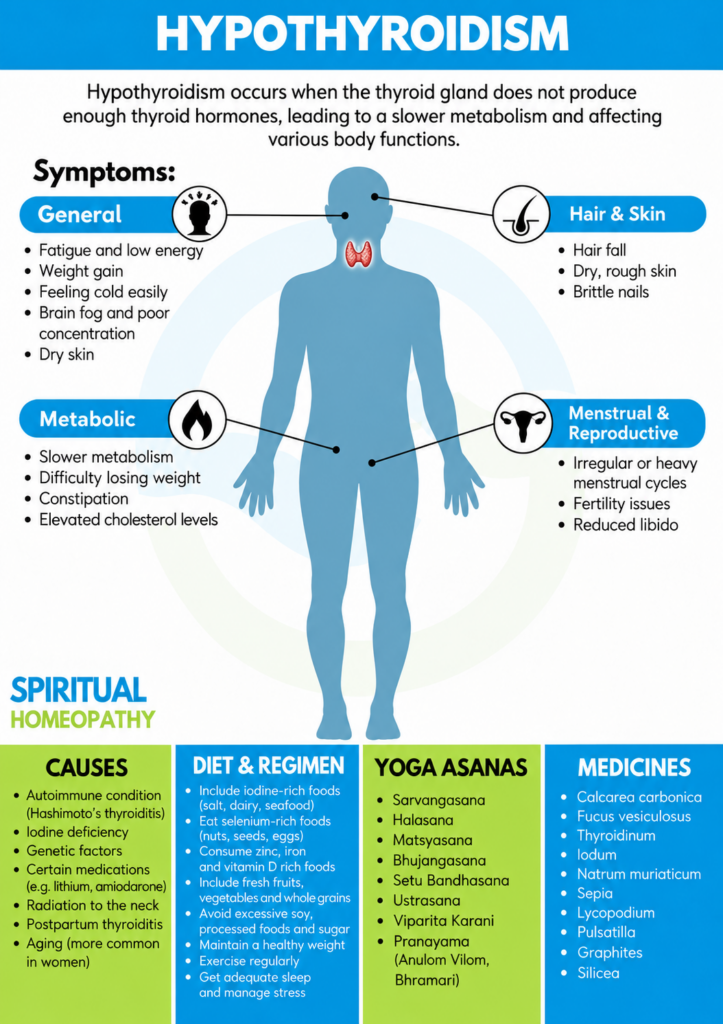
Hypothyroidism: Understanding Thyroid Function, Symptoms, and Overall Health
Hypothyroidism is a condition in which the thyroid gland produces insufficient thyroid hormones. These hormones play an important role in regulating metabolism, energy production, body temperature, heart function, and several other processes throughout the body. When thyroid hormone levels are lower than needed, various functions may slow down and symptoms can develop gradually.
People with hypothyroidism may experience persistent tiredness, unexplained weight gain, sensitivity to cold, dry skin, constipation, hair thinning, muscle weakness, slower heart rate, or changes in mood and concentration. Women may also notice changes in menstrual patterns or fertility. However, these symptoms can occur for many other reasons, so they cannot confirm hypothyroidism on their own.
One of the most common causes of hypothyroidism is Hashimoto’s thyroiditis, an autoimmune condition in which the immune system affects the thyroid gland. Other possible causes include certain treatments affecting the thyroid, some medications, iodine imbalance, thyroid surgery, or problems involving the pituitary gland. In some cases, thyroid function may also change during or after pregnancy.
Diagnosis generally involves a medical evaluation along with thyroid blood tests such as TSH and free T4. Identifying the reason for reduced thyroid function is important because hypothyroidism can usually be effectively managed with appropriate medical care and ongoing monitoring.
Spiritual Homeopathy Clinic provides individualized consultation support for people experiencing thyroid-related concerns through its Hyderabad branches, along with online consultation options for patients across India and internationally. Homeopathic consultation, if chosen, should be considered complementary and should not replace prescribed thyroid treatment or recommended medical monitoring.
What Can Lead to Hypothyroidism? Key Causes and Contributing Factors
Hypothyroidism can develop when the thyroid gland is unable to produce sufficient thyroid hormones or when the normal regulation of thyroid function is disrupted. The reasons can vary from autoimmune conditions and medical treatments to certain medications and problems involving other hormone-producing glands.
1. Hashimoto’s Thyroiditis:
This is one of the most common causes of an underactive thyroid. It is an autoimmune condition in which the immune system mistakenly attacks thyroid tissue, gradually reducing its ability to produce hormones.
2. Thyroid Surgery:
Removal of part or all of the thyroid gland may result in reduced hormone production. The need for thyroid hormone replacement depends on how much functioning thyroid tissue remains.
3. Radioactive Iodine Treatment:
Radioactive iodine may be used to treat certain thyroid conditions. In some individuals, it can reduce thyroid activity and eventually lead to hypothyroidism.
4. Certain Medications:
Some medicines can interfere with thyroid hormone production or function. If you are taking long-term medication, thyroid function may need to be monitored when clinically appropriate.
5. Iodine Imbalance:
Iodine is required for thyroid hormone production. Both insufficient and excessive iodine intake can affect thyroid function, although the significance varies according to individual circumstances and geographic setting.
6. Problems Affecting the Pituitary Gland:
The pituitary gland helps regulate the thyroid through thyroid-stimulating hormone (TSH). Rare disorders affecting the pituitary can therefore result in reduced thyroid hormone production.
7. Pregnancy and Postpartum Thyroid Changes:
Some women develop thyroid inflammation during or after pregnancy. These changes can sometimes result in a temporary or persistent period of reduced thyroid function.
8. Congenital Hypothyroidism:
Some babies are born with an absent, underdeveloped, or improperly functioning thyroid gland. Newborn screening helps identify this condition early so appropriate treatment can begin.
9. Previous Thyroid Disease:
A history of thyroid inflammation or other thyroid disorders may increase the likelihood of developing reduced thyroid function in some individuals.
10. Family History and Autoimmune Conditions:
Having close relatives with thyroid disease or certain autoimmune disorders may be associated with a higher risk of autoimmune thyroid problems.
The underlying cause of hypothyroidism cannot always be determined from symptoms alone. Persistent fatigue, unexplained weight changes, cold intolerance, constipation, dry skin, hair loss, menstrual changes, or other ongoing symptoms should be evaluated by a qualified healthcare professional. Thyroid blood tests such as TSH and free T4 can help determine whether thyroid function is abnormal and guide appropriate care.
Different Types of Hypothyroidism: Understanding How Thyroid Function Can Be Affected
Hypothyroidism is not always caused by the same problem. It can be categorized according to where the thyroid-related dysfunction occurs and what is responsible for the reduction in thyroid hormone activity. Understanding these forms can help in identifying the appropriate diagnostic approach and medical management.
1. Primary Hypothyroidism:
This is the most common form and occurs when the thyroid gland itself is unable to produce enough thyroid hormones. Hashimoto’s thyroiditis, thyroid surgery, radioactive iodine treatment, and certain medications are possible causes.
2. Secondary Hypothyroidism:
This occurs when the pituitary gland does not produce enough thyroid-stimulating hormone (TSH) to properly stimulate the thyroid. Problems affecting the pituitary gland can therefore result in reduced thyroid hormone production.
3. Tertiary Hypothyroidism:
A rare form that develops when the hypothalamus does not release enough thyrotropin-releasing hormone (TRH), which normally helps regulate TSH production and the thyroid system.
4. Congenital Hypothyroidism:
Some infants are born with a thyroid gland that is absent, underdeveloped, or unable to function normally. Newborn screening helps detect this condition early and allows timely treatment.
5. Subclinical Hypothyroidism:
In this form, TSH levels are elevated while free T4 remains within the usual reference range. Some people have no symptoms, while others may experience mild thyroid-related complaints. Whether treatment is needed depends on individual factors and clinical assessment.
6. Autoimmune Hypothyroidism:
Most commonly associated with Hashimoto’s thyroiditis, this occurs when the immune system mistakenly targets thyroid tissue, gradually affecting its ability to produce hormones.
7. Postpartum Hypothyroidism:
Some women develop thyroid dysfunction during the period following childbirth. Thyroid function may initially become overactive and later become underactive, with the course varying between individuals.
The symptoms and laboratory findings can differ between these forms. Hypothyroidism should be confirmed through appropriate thyroid-function testing rather than symptoms alone. A healthcare professional can determine the underlying type and recommend suitable monitoring or treatment based on the individual’s condition.
Hypothyroidism Symptoms: Common Changes Linked to an Underactive Thyroid
Hypothyroidism often develops gradually, so its early signs may be subtle and can sometimes be mistaken for tiredness, stress, or other everyday health concerns. As thyroid hormone levels decrease, several body functions may slow down, resulting in changes in energy, metabolism, skin, hair, digestion, mood, and reproductive health.
1. Persistent Fatigue
Feeling unusually tired, sluggish, or lacking energy despite getting adequate rest is a frequently reported symptom.
2. Unexplained Weight Gain
Some individuals may gain weight or find it harder to manage their weight when thyroid function is reduced.
3. Increased Sensitivity to Cold
You may feel colder than people around you or have difficulty staying warm, particularly in cooler environments.
4. Dry Skin
Reduced thyroid activity can affect skin function, sometimes resulting in dryness, roughness, or reduced sweating.
5. Hair Thinning or Hair Loss
Changes in the hair cycle may lead to increased shedding, thinning hair, or changes in hair texture.
6. Constipation
Slower digestive activity can cause bowel movements to become less frequent or more difficult.
7. Muscle Aches and Weakness
Some people experience muscle stiffness, cramps, aches, or reduced physical strength.
8. Changes in Mood and Concentration
Hypothyroidism may be associated with low mood, reduced concentration, forgetfulness, or a feeling of mental sluggishness.
9. Menstrual Changes
Women may experience heavier, lighter, irregular, or otherwise altered menstrual cycles. Thyroid dysfunction can also affect fertility in some individuals.
10. Slow Heart Rate or Puffiness
Some people may develop a slower-than-usual heart rate or notice puffiness around the face, hands, or other areas of the body.
Symptoms can vary considerably depending on the severity and cause of thyroid dysfunction. These signs alone cannot confirm hypothyroidism, as many can occur with other conditions. If symptoms persist, thyroid-function testing such as TSH and free T4 can help determine whether an underactive thyroid is present.
Diet and Lifestyle for Hypothyroidism: Practical Habits to Support Thyroid Health
Nutrition and daily habits can contribute to overall well-being when living with hypothyroidism. However, food cannot replace medically indicated thyroid hormone treatment. A balanced eating pattern, appropriate physical activity, sufficient sleep, and regular monitoring can support metabolic health and help maintain a healthy routine.
Include a variety of nutrient-dense foods throughout the day:
Iodine is essential for producing thyroid hormones. Use iodized salt appropriately as part of a balanced diet. Avoid taking high-dose iodine supplements unless specifically recommended by a healthcare professional, as excessive iodine can also affect thyroid function.
Selenium contributes to normal thyroid function. Foods such as eggs, fish, seafood, meat, legumes, and nuts can provide selenium. Supplements should only be considered when appropriate, as excessive selenium intake can be harmful.
Iron and several other nutrients are important for normal thyroid and overall body function. Include foods such as lentils, beans, leafy vegetables, eggs, meat, and fortified foods according to your dietary preferences and nutritional needs.
There is no universal food plan that can cure hypothyroidism. Avoid unnecessarily eliminating gluten, dairy, vegetables, or other major food groups unless a healthcare professional has identified a specific reason.
Soy foods can be part of a healthy diet for many people, but they may interfere with the absorption of levothyroxine when consumed too close to the medication. If you take thyroid medicine, follow your healthcare professional’s instructions regarding timing and consistency.
Hypothyroidism can contribute to changes in body weight, but weight management should focus on sustainable eating habits rather than restrictive diets. Combine balanced nutrition with suitable physical activity based on your individual health status.
Regular movement can support cardiovascular health, muscle strength, mood, and weight management. Walking, swimming, cycling, strength exercises, or yoga can be included according to your fitness level.
Fatigue is common with hypothyroidism, and poor sleep may make tiredness more difficult to manage. Maintain regular sleeping and waking times and create a relaxing bedtime routine.
Take prescribed thyroid medication exactly as directed and attend recommended follow-up appointments. TSH and free T4 testing may be used to monitor thyroid function and determine whether treatment needs adjustment.
Pro Tip: Keep a simple record of your energy levels, weight changes, sleep, menstrual patterns, medication schedule, and other recurring symptoms. This can provide useful information during follow-up consultations.
Diet and lifestyle measures can support general health, but hypothyroidism requires appropriate medical evaluation and monitoring. Do not stop or change prescribed thyroid medication based solely on dietary changes or alternative treatments.
Yoga can be included as part of a healthy routine for people with hypothyroidism, particularly for flexibility, physical activity, relaxation, and stress management. Although yoga does not directly restore thyroid hormone levels or replace medical treatment, regular practice may support overall physical and emotional well-being.
1. Sarvangasana (Shoulder Stand):
This advanced posture is traditionally included in some yoga practices for thyroid wellness. However, there is no strong scientific evidence that it improves thyroid hormone levels. It should only be attempted with appropriate instruction and may not be suitable for everyone.
2. Matsyasana (Fish Pose):
This posture gently opens the chest and stretches the neck and upper body. It can be incorporated into a flexibility-focused yoga routine when performed comfortably.
3. Bhujangasana (Cobra Pose):
Cobra Pose provides a gentle extension of the spine and may help improve flexibility and body awareness. Coordinate the movement with relaxed breathing rather than forcing the posture.
4. Setu Bandhasana (Bridge Pose):
This pose engages the legs, hips, and core while encouraging controlled breathing. It can form part of a gentle strengthening and mobility routine.
5. Marjaryasana–Bitilasana (Cat-Cow Pose):
The flowing movement between these two positions helps mobilize the spine and encourages steady breathing. It can be useful as a gentle warm-up or relaxation exercise.
6. Balasana (Child’s Pose):
A restorative posture that allows the body to relax while focusing on comfortable breathing. It may be particularly helpful for incorporating relaxation into a regular wellness routine.
7. Nadi Shodhana (Alternate Nostril Breathing):
This gentle breathing technique encourages slow, controlled breathing and may promote relaxation. It can be practiced for a few minutes as part of stress-management activities.
Yoga should be viewed as a supportive lifestyle practice rather than a treatment for hypothyroidism. There is no reliable evidence that specific yoga poses can correct an underactive thyroid or replace thyroid hormone therapy. People with hypothyroidism should continue recommended medical monitoring and prescribed treatment. Avoid advanced poses if you have neck, heart, blood-pressure, or other health concerns, and seek professional guidance before beginning a new yoga routine.
Homeopathy for Hypothyroidism: An Individualized Perspective on Thyroid Wellness
Hypothyroidism occurs when the thyroid gland does not produce enough thyroid hormones for the body’s needs. It may be associated with symptoms such as tiredness, weight changes, constipation, dry skin, hair thinning, sensitivity to cold, and menstrual changes. Since reduced thyroid function can result from different underlying conditions, appropriate thyroid testing and medical assessment are important.
Homeopathic practice generally involves an individualized consultation, where the practitioner considers the person’s complete health profile rather than focusing on a single symptom. Information such as thyroid reports, medical history, lifestyle, sleep, diet, stress, and recurring symptoms may be discussed during consultation.
Thyroid and Medical History:
Previous thyroid problems, autoimmune conditions, surgery, medication use, and available TSH and free T4 reports may be reviewed to understand the individual’s situation.
Individual Symptoms:
Symptoms such as fatigue, constipation, dry skin, hair loss, cold sensitivity, weight changes, and menstrual disturbances may be discussed as part of the overall health assessment.
Lifestyle Factors:
Daily food habits, physical activity, sleep patterns, stress levels, and general routines can provide additional context during an individualized consultation.
Overall Health:
Other medical conditions and ongoing treatments should also be considered because thyroid symptoms can overlap with several other health concerns.
Homeopathy is used by some individuals as a complementary approach to wellness. However, there is insufficient reliable scientific evidence that homeopathy can treat hypothyroidism, restore thyroid hormone levels, or replace thyroid hormone medication. People diagnosed with hypothyroidism should continue appropriate medical monitoring and evidence-based treatment as advised by their healthcare professional.
A healthy routine can be maintained alongside appropriate thyroid care:
Persistent symptoms such as ongoing fatigue, unexplained weight changes, significant hair loss, menstrual irregularities, or sensitivity to cold should be medically evaluated. Thyroid-function tests can help determine whether hypothyroidism is present and whether treatment needs adjustment.
Spiritual Homeopathy Clinic provides individualized consultations through its Hyderabad clinics and online consultation options. If homeopathy is chosen, it should be considered complementary support and not a replacement for prescribed thyroid treatment, thyroid monitoring, or evidence-based medical care.
A personalized approach should focus on understanding the underlying cause of hypothyroidism, monitoring thyroid function appropriately, and supporting overall health under qualified professional guidance.
Thyroid-related symptoms can develop slowly and may initially appear similar to ordinary tiredness, stress, or changes in lifestyle. However, symptoms that persist, become more noticeable, or affect your energy, weight, mood, menstrual health, or daily activities should be professionally assessed. Thyroid-function testing can help determine whether an underactive thyroid is present and whether treatment or monitoring is needed.
You have already been diagnosed with hypothyroidism and notice new or worsening symptoms, or if your thyroid test results are abnormal. Your healthcare professional may recommend tests such as TSH and free T4 and determine whether your current management needs review.
At Spiritual Homeopathy, our experienced homeopathic doctors provide individualized consultations based on symptoms, medical history, lifestyle, dietary habits, and overall health. Consultations are available at our Hyderabad clinics in Kukatpally (KPHB), Chandanagar, Dilsukhnagar, and Nallagandla, along with secure online consultations across India and in more than 100 countries worldwide.
For confirmed hypothyroidism, regular medical monitoring and prescribed thyroid treatment are important. Homeopathic consultation, if chosen, should be considered complementary and should not replace thyroid medication, recommended testing, or evidence-based medical care.
To schedule a consultation, call 9069 176 176.
Hypothyroidism (an underactive thyroid) happens when your body does not make enough thyroid hormones, causing your metabolism to slow down.
Hypothyroidism cannot be cured, but it can be completely controlled with daily medication.
Certain foods can interfere with thyroid hormone production or block the absorption of thyroid replacement medication.
You can support healthy thyroid function and lower high Thyroid-Stimulating Hormone (TSH) levels naturally by combining a targeted diet, stress reduction, and lifestyle adjustments. High TSH typically indicates an underactive thyroid (hypothyroidism).
Controlling hypothyroidism requires lifelong daily hormone replacement medication combined with proper timing, a balanced diet, and regular medical checkups.