
Somatic symptom disorder (previously referred to as somatoform disorder) is a mental health condition in which a person experiences persistent physical symptoms that cause significant distress and interfere with daily life. These symptoms, such as pain, fatigue, dizziness, headaches, or gastrointestinal discomfort, may occur with or without an identifiable medical condition. Individuals with this disorder often have excessive thoughts, anxiety, or concerns about their symptoms, which can affect their emotional well-being, relationships, work, and quality of life. Emotional stress, psychological factors, and life events may contribute to the development or worsening of symptoms. While the symptoms are real and can be distressing, early evaluation and appropriate treatment are essential to improve overall functioning and well-being.
At Spiritual Homeopathy, we believe in treating the individual as a whole rather than simply suppressing symptoms. Our experienced homeopathic doctors carefully evaluate each patient’s physical symptoms, emotional health, medical history, stress levels, lifestyle, sleep patterns, and overall well-being before preparing an individualized treatment plan. Our holistic approach focuses on providing natural support for somatic symptom disorder, promoting emotional balance, reducing recurring symptoms, improving overall quality of life, and supporting long-term mental and physical wellness through safe and personalized homeopathic care. We specialize in homeopathic treatment for somatic symptom disorder, stress-related disorders, anxiety, psychosomatic complaints, and other chronic health conditions.
We provide personalized homeopathic treatment for somatic symptom disorder in Hyderabad to patients of all age groups through our clinics in Hyderabad, as well as online homeopathy consultations for patients across India and in more than 100 countries worldwide. If you are looking for the best homeopathy doctor for somatic symptom disorder, natural support for stress-related physical symptoms, or holistic care for long-term emotional and physical wellness, Spiritual Homeopathy is committed to delivering expert, compassionate, and patient-centered care wherever you are.
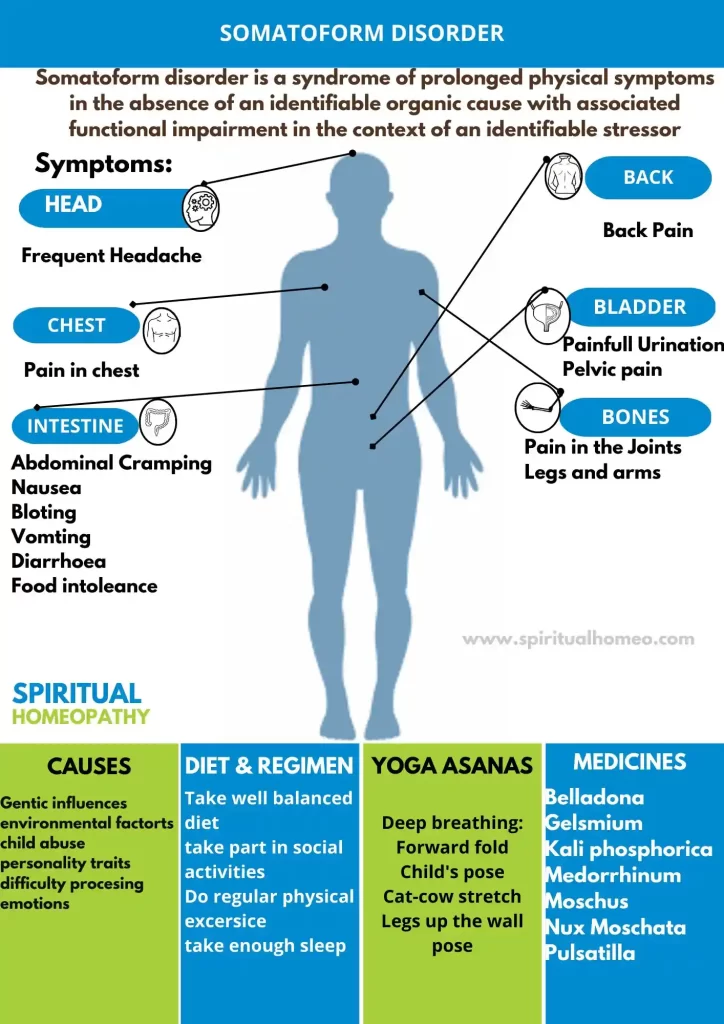
People with somatoform disorder experience a variety of physical symptoms that may persist for long periods, even though these symptoms cannot be clearly linked to a specific underlying medical condition. Despite undergoing repeated medical tests and evaluations, results are often normal or do not fully explain the discomfort experienced. This uncertainty can lead individuals to become increasingly concerned about their health.
The symptoms may resemble those of other physical illnesses, which often prompts repeated consultations and investigations to rule out medical causes. Over time, the condition can affect daily functioning, emotional well-being, and quality of life. Understanding the pattern and impact of symptoms is an important part of appropriate care.
Consultations for somatoform disorder are available at Spiritual Homeopathy Clinic, with services offered across multiple branches in Hyderabad, as well as through online and international consultation options, based on individual needs.
The exact cause of somatoform disorder is not fully understood. In some cases, it may involve altered processing of nerve impulses that transmit pain, pressure, and other bodily sensations to the brain. Importantly, the pain and physical symptoms experienced are real and not imagined, even when medical tests do not show a clear physical explanation. Like many health conditions, somatoform disorder may have a familial tendency and can show periods of improvement and recurrence over time.
Understanding these contributing factors helps guide an individualized care approach, where both physical symptoms and overall health context are carefully considered during consultation.
Somatoform disorders are mental health conditions characterized by physical symptoms that suggest a medical problem, but no sufficient underlying physical cause can be identified. These disorders can cause significant distress due to ongoing physical complaints, even when medical tests do not provide a clear diagnosis. The following are the main types of somatoform disorders:
1. Somatic Symptom Disorder (SSD)
People with Somatic Symptom Disorder experience one or more persistent physical symptoms, such as pain or fatigue, that cause distress and interfere with daily activities. The symptoms may or may not have an identifiable medical basis, but there is excessive focus, concern, or anxiety related to these symptoms, often leading to repeated medical consultations and investigations.
2. Illness Anxiety Disorder (IAD)
Previously known as hypochondriasis, Illness Anxiety Disorder involves ongoing worry about having or developing a serious illness, despite having minimal or no physical symptoms. Individuals may frequently monitor their health, seek repeated reassurance, or avoid situations perceived as health risks, even when evaluations do not indicate a medical condition.
3. Conversion Disorder (Functional Neurological Symptom Disorder)
Conversion disorder presents with neurological-type symptoms such as weakness, paralysis, sensory loss, or episodes resembling seizures, without an identifiable neurological cause. These symptoms often develop in association with psychological stress or trauma and are not intentionally produced.
4. Psychological Factors Affecting Other Medical Conditions
In this type, psychological factors such as stress, anxiety, or emotional distress negatively influence an existing medical condition. These factors can worsen symptoms or interfere with recovery and overall management of the physical illness.
5. Body Dysmorphic Disorder (BDD)
Body Dysmorphic Disorder involves a persistent preoccupation with perceived defects or flaws in physical appearance that are minor or not noticeable to others. Individuals may engage in repeated checking or seek unnecessary procedures. Although not classified as a classic somatoform disorder, it is closely related due to the focus on physical concerns and distress.
These conditions are often chronic in nature, with symptoms that may fluctuate over time, highlighting the importance of an individualized and ongoing care approach.
Somatoform disorders are characterized by physical symptoms that cannot be fully explained by identifiable medical conditions, leading to significant distress and interference with daily life. While symptoms vary depending on the specific type, several common signs are seen across these conditions. The following outlines the key signs and symptoms:
1. Somatic Symptom Disorder (SSD)
Persistent physical symptoms: These may include ongoing pain, fatigue, gastrointestinal discomfort, dizziness, or headaches that are distressing and affect daily functioning.
Excessive focus on symptoms: Individuals may spend a disproportionate amount of time thinking about their physical complaints.
Frequent medical visits: Repeated consultations or investigations may occur in an effort to find a clear explanation.
Disproportionate anxiety: Ongoing concern about health, even when evaluations do not indicate a serious condition.
Impairment in daily life: Work, social activities, and relationships may be affected due to symptom-related distress.
2. Illness Anxiety Disorder (IAD)
Fear of serious illness: Persistent worry about having or developing a serious disease, despite minimal or no symptoms.
Excessive body checking: Frequent monitoring of bodily sensations and repeated reassurance-seeking from others.
Avoidance behaviors: Avoiding situations perceived as health risks, such as crowded places.
Repeated reassurance-seeking: Continued medical consultations despite normal test results.
Preoccupation with health: Normal bodily sensations are often misinterpreted as signs of illness.
3. Conversion Disorder (Functional Neurological Symptom Disorder)
Neurological-type symptoms: Symptoms may include weakness, paralysis, tremors, sensory loss, or episodes resembling seizures, without an identifiable neurological cause.
Motor or sensory difficulties: Problems with movement, speech, or vision that cannot be medically explained.
Psychological triggers: Symptoms often appear following emotional stress or traumatic events.
Lack of neurological findings: Diagnostic tests typically do not reveal abnormalities corresponding to the symptoms.
Fluctuating symptoms: Severity may change, often worsening during periods of stress.
4. Psychological Factors Affecting Other Medical Conditions
Worsening of existing conditions: Stress or emotional factors can aggravate symptoms of an already diagnosed medical condition.
Heightened symptom awareness: Increased sensitivity to bodily sensations during psychological distress.
Treatment challenges: Emotional factors may interfere with effective management of the medical condition.
5. Body Dysmorphic Disorder (BDD)
Distorted body image: Persistent concern about perceived physical flaws that are minor or not noticed by others.
Repetitive behaviors: Frequent mirror checking, grooming, or attempts to conceal perceived defects.
Emotional distress and impairment: Social avoidance, reduced self-esteem, and significant emotional burden.
Preoccupation with appearance: Appearance-related concerns dominate thoughts and daily activities.
Clinical Note: If physical symptoms are persistent, cause significant distress, or interfere with daily functioning, a professional evaluation is recommended to support appropriate and individualized care.
Adopting a holistic approach that combines a balanced diet with consistent daily routines can help reduce the physical and psychological distress associated with somatoform disorder. The following guidance supports overall health and mental well-being and may be adjusted based on individual needs.
1. Emphasize a Nutrient-Rich Diet
A diet that includes a variety of whole foods provides essential nutrients that support brain function and emotional balance. Consider including:
Omega-3 fatty acids: Present in fatty fish, flaxseeds, and walnuts; these support normal brain function.
Magnesium-rich foods: Leafy greens, nuts, seeds, and legumes may help with stress regulation.
B-vitamin sources: Whole grains, eggs, and other balanced protein sources support energy metabolism and mood regulation.
Probiotic foods: Yogurt and other fermented foods support gut health, which is linked to overall well-being.
2. Foods to Include
Breakfast: Oatmeal with seeds and fruit, or a simple smoothie with fruits and greens.
Lunch: Whole grains with vegetables and a balanced protein source.
Dinner: Light, well-balanced meals with vegetables and lean protein.
Snacks: Nuts, seeds, fruits, or yogurt in moderation.
3. Foods to Limit
Highly processed foods: Often high in additives and unhealthy fats, which may affect general health.
Excess caffeine and alcohol: These can worsen anxiety and disrupt sleep patterns.
Dietary recommendations may vary depending on individual health status, preferences, and tolerance.
Morning Routine
Mindfulness practices: Short sessions of deep breathing or relaxation exercises may help set a calm start to the day.
Gentle physical activity: Light stretching or yoga can reduce muscle tension and improve circulation.
Balanced breakfast: Supports energy levels and concentration.
Physical Activity
Regular movement: Moderate activities such as walking or swimming, performed regularly, support physical and mental health.
Mind-body practices: Yoga or similar practices may improve body awareness and relaxation.
Stress Management
Relaxation techniques: Deep breathing and progressive muscle relaxation may help manage stress responses.
Journaling: Writing thoughts and experiences can help identify stress triggers.
Limit overstimulation: Reducing exposure to stress-provoking environments or media may be beneficial.
Social Support and Daily Structure
Support networks: Open communication with family or trusted individuals can reduce feelings of isolation.
Consistent routines: Maintaining regular daily schedules supports stability and coping.
Evening Routine and Sleep
Wind-down habits: Choose calming activities before bedtime.
Sleep hygiene: Aim for adequate, regular sleep by following a consistent schedule and maintaining a restful environment.
Incorporating specific yoga postures may help support relaxation and reduce stress associated with somatoform disorders. These practices are intended as supportive measures alongside professional care.
Child’s Pose (Balasana): Promotes relaxation and helps ease physical and mental tension.
Cat–Cow Pose (Marjaryasana–Bitilasana): Encourages gentle spinal movement and may reduce stiffness.
Mountain Pose (Tadasana): Supports posture, balance, and body awareness.
Tree Pose (Vrikshasana): Helps improve focus, stability, and coordination.
Seated Forward Bend (Paschimottanasana): A calming posture that gently stretches the back and legs.
Legs Up the Wall Pose (Viparita Karani): Encourages relaxation and may help reduce feelings of restlessness.
Corpse Pose (Savasana): Facilitates deep relaxation at the end of practice.
These asanas should be performed slowly and within personal comfort limits. Guidance from a trained instructor may be helpful, especially for beginners.
Regular yoga practice has been associated with supportive benefits in individuals experiencing somatoform-related symptoms:
Pain perception: Gentle movement and relaxation practices may help reduce the intensity of perceived discomfort over time.
Psychological well-being: Yoga is commonly associated with reduced stress, anxiety, and emotional strain, which can influence symptom experience.
Quality of life: Consistent practice may support better physical comfort and mental balance, contributing to daily functioning
Homeopathy is a system of care that focuses on understanding the individual as a whole, rather than addressing symptoms alone. It aims to support the body’s natural regulatory processes and considers physical, emotional, and lifestyle factors in care planning. Treatment is tailored to individual needs and may be used for both acute concerns and long-term health management, under professional guidance.
Homeopathy is commonly chosen by individuals seeking a personalized and holistic approach to health, with care plans adapted to age, symptoms, and overall health status.
At Spiritual Homeopathy Clinic, the focus is on providing structured, patient-centered care through detailed assessment and ongoing follow-up. Consultations are available across multiple branches in Hyderabad, as well as through online and international consultation options, allowing access to care for patients who cannot visit in person.
The approach emphasizes understanding underlying factors contributing to health concerns, while supporting overall physical and emotional balance.
Care is guided by established homeopathic principles and clinical evaluation, with attention to individual symptom patterns and health history.
Individualized assessment: Care plans are developed based on a person’s symptoms, lifestyle, and overall health profile.
Personalized care planning: Management strategies are adapted over time based on response and clinical review.
Qualified guidance: Consultations are conducted by trained homeopathy professionals in Hyderabad and through online platforms.
Supportive care focus: Homeopathic care is generally well-tolerated when followed under professional supervision.
Holistic perspective: Emotional and mental well-being are considered alongside physical symptoms.
Each consultation involves a structured discussion of medical history, current concerns, daily routines, and emotional well-being. This helps in forming an individualized care approach aligned with the patient’s overall health status.
Follow-up consultations allow monitoring of symptom changes and adjustment of the care approach as needed. Long-term management focuses on addressing contributing factors and supporting overall health balance.
Spiritual Homeopathy Clinic emphasizes ethical, medically responsible care that complements standard healthcare where appropriate. Patients are encouraged to maintain regular medical check-ups and seek immediate medical attention for severe or worsening symptoms.
You should consult a healthcare professional if symptoms related to somatoform disorder become frequent, persistent, or begin to interfere with daily functioning, work, relationships, or sleep. Early evaluation helps rule out other medical conditions and supports appropriate, individualized care.
Seek consultation if you experience:
Ongoing physical symptoms (such as pain, fatigue, or discomfort) without clear medical findings
Excessive worry or distress about physical symptoms
Repeated medical visits with normal test results but persistent symptoms
Symptoms that worsen during stress or emotional strain
Difficulty managing daily activities due to physical complaints
Emotional distress, anxiety, or low mood linked to physical symptoms
At Spiritual Homeopathy Clinic, consultations are available at multiple branches in Hyderabad, including Kukatpally, Chandanagar, Dilsukhnagar, and Nallagandla. Online and international consultations are also available for patients who are unable to visit in person. A professional assessment helps support an individualized care approach based on physical symptoms, emotional factors, and overall health.
For appointments or guidance, contact 9069 176 176.
An example of a somatoform disorder—now classified as somatic symptom disorder—is Illness Anxiety Disorder (formerly hypochondriasis). People with this condition are intensely preoccupied with having or developing a serious, undiagnosed medical illness, often misinterpreting normal physical sensations (like a minor stomachache) as signs of a life-threatening disease.
Somatic Symptom Disorder (SSD) is a mental health condition characterized by an extreme, debilitating focus on physical symptoms—such as pain, fatigue, or shortness of breath—that causes major emotional distress and disrupts daily functioning. The symptoms are very real to the individual, whether or not they are linked to a diagnosed medical condition.
Somatoform disorder is defined as a condition characterized by physical symptoms that appear to have no identifiable physical cause, often involving chronic pain and other bodily complaints.
The goal of treatment is to ease your symptoms and help you function better in daily life. Talk therapy, also called psychotherapy, can be helpful for somatic symptom disorder. Sometimes medicines may be added, especially if you feel depressed.
Key Takeaways. Somatic OCD is a subtype of obsessive-compulsive disorder that's characterized by excessive focus on automatic bodily sensations and functions like breathing, blinking, swallowing, heart rate, etc.