
Constipation is one of the most common digestive problems, occurring when bowel movements become infrequent, difficult to pass, or incomplete. It is often characterized by passing hard, dry stools, having fewer than three bowel movements a week, excessive straining during bowel movements, or a persistent feeling that the bowels have not emptied completely. Constipation may also be accompanied by bloating, abdominal discomfort, gas, and a constant urge to pass stools without success. While occasional constipation is common and may be related to diet, dehydration, or lifestyle habits, frequent or persistent constipation may indicate an underlying digestive disorder such as irritable bowel syndrome (IBS), thyroid dysfunction, or other gastrointestinal conditions and should not be ignored. Seeking early evaluation and appropriate constipation treatment can help improve digestive health and prevent long-term complications.
At Spiritual Homeopathy, we believe in treating the root cause of constipation rather than simply providing temporary relief with laxatives. Our experienced homeopathic doctors carefully evaluate each patient’s symptoms, medical history, eating habits, water intake, stress levels, lifestyle, and overall health before preparing an individualized treatment plan. Our holistic approach focuses on providing natural constipation treatment, improving bowel function, supporting healthy digestion, reducing recurring constipation, and promoting long-term digestive wellness through safe and personalized homeopathic care. We specialize in homeopathic treatment for constipation, chronic constipation, IBS-related constipation, and other chronic digestive disorders.
We provide personalized homeopathic treatment for constipation in Hyderabad through our clinics, as well as online homeopathy consultations for patients across India and in more than 100 countries worldwide. If you are looking for the best homeopathy doctor for constipation, natural treatment for chronic constipation, or long-term digestive wellness, Spiritual Homeopathy is committed to delivering expert, patient-centered care wherever you are.
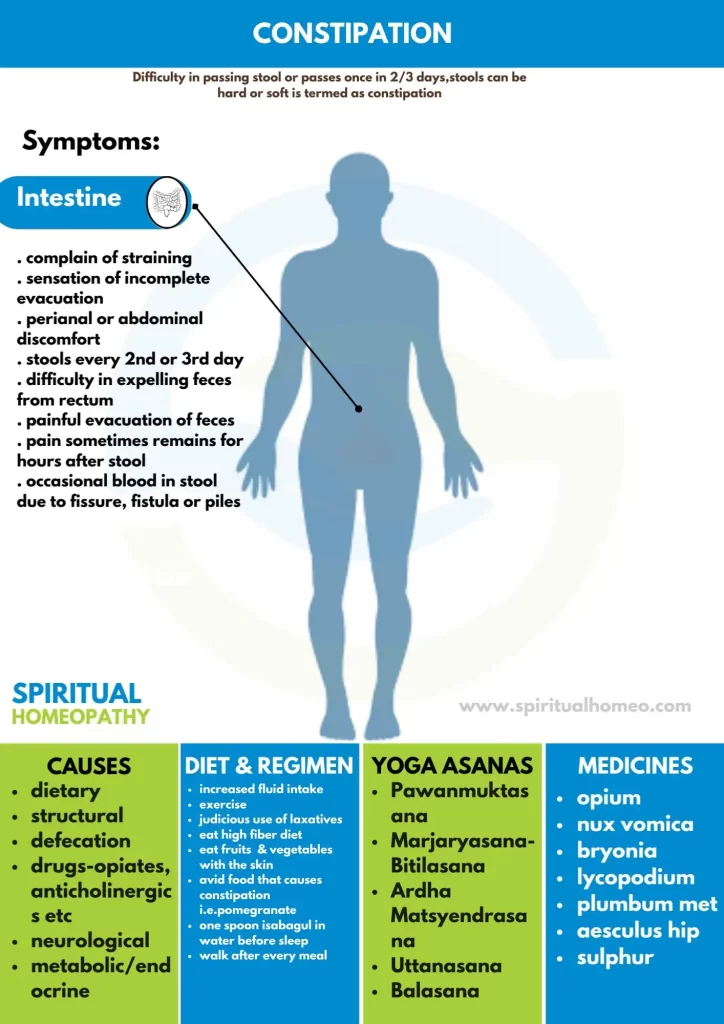
Constipation is a common digestive concern that can result from various gastrointestinal or medical factors. It is generally characterized by infrequent bowel movements, hard or dry stools, and a sensation of incomplete evacuation. Beyond physical discomfort, constipation can impact overall well-being and quality of life.
At Spiritual Homeopathy Clinic, consultations for constipation are available at multiple branches in Hyderabad, as well as online and international consultations for patients who cannot visit in person. Early evaluation can help address underlying causes and support a personalized care plan.
Prevalence and Demographics
Studies across different regions of India highlight how widespread constipation is across age groups and communities. For example:
A northern Indian study reported that 11.6% of 4,767 individuals experienced constipation symptoms, with 53% self-identifying as constipated, 18% reporting straining, and 23% experiencing incomplete evacuation.
A rural northern India survey found 2.4% of the population suffered from constipation-predominant irritable bowel syndrome (IBS-C).
Community-based studies in Chandigarh and Bangalore reported prevalence rates of 24.8% and 8.6%, respectively, with the Bangalore study focusing specifically on the elderly.
An eastern Indian clinical study of 331 patients with chronic constipation noted that 65% were over 60 years old, indicating a higher prevalence among older adults.
These findings underline that constipation is a widespread health concern in India, particularly in older adults, and highlight the importance of timely assessment and individualized management.
Constipation can arise from a variety of gastrointestinal and non-gastrointestinal factors. Identifying the underlying causes is essential for effective management and long-term relief. Below are the most common contributors:
a. Dietary and Motility-Related Factors
Low Fiber Intake: Diets lacking adequate fiber can slow bowel movements.
Inadequate Fluid Consumption: Dehydration or insufficient fluid intake may lead to hard, dry stools.
Slow Transit Constipation: Bowel movements progress more slowly than normal.
Irritable Bowel Syndrome (IBS-C): Constipation-predominant IBS causes irregular bowel habits.
Certain Medications: Some drugs can affect gut motility.
Chronic Intestinal Pseudo-obstruction: A rare condition where the intestines mimic a blockage without any physical obstruction.
b. Structural Issues
Colorectal Tumors: Growths in the colon may obstruct stool passage.
Diverticular Disease: Inflammation or infection of pouches in the colon wall.
Hirschsprung’s Disease: A congenital disorder affecting the large intestine, often seen in children.
c. Defecation Disorders
Anorectal Conditions: Pain from fissures, Crohn’s disease, or hemorrhoids can make bowel movements difficult.
Obstructed Defecation Syndrome: Stool cannot be expelled effectively due to pelvic floor dysfunction.
a. Medications That May Contribute
Opiates (painkillers)
Anticholinergic drugs (used for allergies or bladder issues)
Calcium channel blockers (for blood pressure)
Iron supplements
Aluminum-containing antacids
b. Neurological Conditions
Multiple Sclerosis (MS)
Spinal Cord Injuries
Stroke (Cerebrovascular Accident)
Parkinson’s Disease
c. Metabolic and Endocrine Disorders
Diabetes Mellitus
Hypercalcemia (high blood calcium)
Hypothyroidism (underactive thyroid)
Pregnancy: Hormonal changes and uterine pressure can slow digestion
d. Other Contributing Factors
Immobility: Especially in older adults or those recovering from illness
Depression: Mental health challenges can impact gut function and bowel habits
Addressing the underlying cause is crucial for effective management. At Spiritual Homeopathy Clinic, consultations at multiple Hyderabad branches, as well as online and international consultations, allow for individualized care that considers diet, lifestyle, and overall health.
Constipation can present in different forms depending on the cause, duration, and nature of the underlying condition. Identifying the type is important for appropriate management and individualized care. Below is a breakdown of the most common types:
Obstructive constipation occurs when a physical blockage in the intestine prevents normal stool passage. Common causes include:
Cystic fibrosis (especially in children)
Intestinal tumors
Abdominal adhesions or scar tissue, often from surgery
Strictures due to chronic inflammation, such as Crohn’s disease
Pelvic nerve damage from injury or neurological conditions affecting anal muscle relaxation
Individuals with obstructive constipation often experience significant discomfort and may require medical evaluation to determine the appropriate intervention.
Atonic constipation results from reduced muscle tone in the colon, abdominal wall, or pelvic floor. The bowel contracts inefficiently, leading to infrequent or difficult bowel movements. Key contributing factors include:
Aging, particularly in older adults
Prolonged bed rest or physical inactivity
Long-term use of laxatives
Weak pelvic muscles, especially in women
Diabetic neuropathy (nerve damage from diabetes)
People with atonic constipation may not feel the urge to pass stool even when the colon is full, causing chronic retention.
Spastic constipation is caused by abnormal spasms or contractions in the colon, often leading to irregular or painful bowel movements. It is frequently associated with irritable bowel syndrome (IBS) and may be triggered by:
Stress or anxiety
Intestinal irritation
Sensitivity to certain foods
For some individuals with spastic constipation, high-fiber diets may worsen symptoms, highlighting the importance of personalized dietary guidance.
Constipation can also be categorized based on how long it persists:
Acute Constipation (Short-Term)
Develops suddenly and usually lasts a few days.
May result from dietary changes, travel, medications, or temporary stress.
Acute constipation with severe symptoms—such as rectal bleeding, intense abdominal pain, nausea, vomiting, or unexplained weight loss—requires prompt medical attention.
Chronic Constipation (Long-Term)
Occurs over several weeks or longer.
Often linked to underlying health conditions, poor diet, lack of exercise, or lifestyle factors.
Management typically involves:
Dietary adjustments (e.g., fiber and fluid intake)
Regular physical activity
Stress management and consistent bowel routines
In some cases, ongoing professional care and long-term management may be necessary.
Constipation is more than just infrequent bowel movements—it can present with a range of physical and sometimes emotional symptoms that affect daily life. Recognizing these signs is important for timely management and long-term digestive health.
Many individuals experience excessive straining or pushing when passing stool, often due to hard, dry, or difficult-to-pass stools.
Even after a bowel movement, there may be a persistent sensation that the bowels are not fully emptied, leading to discomfort and repeated attempts to pass stool.
Constipation may cause mild to moderate abdominal bloating, cramps, or pressure, as well as discomfort in the perianal area.
People with constipation typically pass stool less often than usual, often every two to three days or longer. While bowel frequency can vary individually, a noticeable drop in regularity may indicate constipation.
Passing stool may require more effort or time than normal, and in some cases, individuals may feel the need to manually assist in stool removal.
Pain during defecation is common, particularly when stools are dry or hard. For some, pain may linger for hours after passing stool.
Small amounts of blood may occasionally appear in stool or on toilet paper. This is often related to anal fissures, hemorrhoids, or fistulas, which can result from frequent straining.
Constipation can be uncomfortable and affect daily life. Making dietary and lifestyle adjustments can support bowel regularity and improve digestive comfort. The following measures are commonly recommended for managing constipation:
Fiber adds bulk to stool and helps promote regular bowel movements. Include:
Fruits: Apples, pears, berries, prunes, and figs (with skin when possible)
Vegetables: Leafy greens, broccoli, carrots, and squash
Whole grains: Oats, brown rice, quinoa, and whole wheat bread
Legumes: Lentils, beans, chickpeas, and peas
Adequate fluid intake softens stool and aids smooth passage. Drink water consistently throughout the day, and avoid excessive caffeinated or sugary beverages, which may contribute to dehydration.
Consume smaller, frequent meals rather than very large ones to encourage digestive rhythm.
Include a mix of fiber, protein, and healthy fats to support gut motility.
Some foods may worsen stool hardness or slow bowel movements:
Highly processed foods
Excessive dairy products in sensitive individuals
Fried or fatty foods
Regular movement supports intestinal muscle activity. Gentle exercises, walking, or yoga can improve bowel regularity.
Respond to the natural urge to pass stool without delaying.
Allocate time after meals, especially breakfast, when the gastrocolic reflex is stronger.
Consider warm beverages, such as herbal teas, to stimulate digestion.
Relaxation techniques and stress management can indirectly support bowel function.
Practicing yoga can support digestion and relieve constipation. These asanas help stimulate bowel movement, improve abdominal muscle tone, and enhance overall gut function. Yoga should be used as a supportive measure alongside professional care, not as a replacement for medical treatment.
Gently massages the abdominal organs and helps release trapped gas.
Stimulates bowel movement and reduces bloating.
Stimulates the liver and intestines, promoting digestion.
Supports detoxification and eases constipation.
Improves digestion and alleviates abdominal discomfort.
Stretches abdominal muscles and stimulates intestinal function.
Strengthens abdominal muscles.
Enhances blood flow to the digestive system and supports bowel regularity.
Opens and stretches the pelvic floor, aiding natural elimination.
Encourages smooth bowel movements.
Practiced after meals to support digestion.
Helps prevent gas, bloating, and constipation.
Stimulates abdominal organs and improves intestinal function.
Helps relieve mild constipation and abdominal tension.
Perform yoga on an empty stomach, ideally in the morning.
Breathe deeply and mindfully during each pose.
Consistency is key—daily practice supports digestive health.
Guidance may vary based on individual health status, age, or physical ability.
At Spiritual Homeopathy Clinic, we follow a holistic approach that integrates homeopathic principles with a focus on the mind-body-spirit connection. Our experienced practitioners provide care that considers each individual as a whole—physically, emotionally, and spiritually—ensuring treatments are tailored to your unique needs. Consultations are available across multiple branches in Hyderabad, as well as online and international consultations for those unable to visit in person.
We believe wellness is achieved when all aspects of a person are in balance. Rather than only addressing symptoms, we aim to identify and manage underlying causes. By supporting your body’s natural healing mechanisms, our approach promotes long-term wellness and overall harmony.
In-Depth Consultations
We offer detailed, one-on-one consultations both in-clinic and online. Our practitioners take the time to understand your health history, lifestyle, and goals to design an individualized care plan.
Holistic Care Plans
Treatment plans focus on natural, gentle, and non-invasive methods that support the body’s innate healing ability, addressing contributing factors for long-term health.
Ongoing Support
Healing is an ongoing process. We provide regular follow-ups to monitor progress, adjust care plans, and ensure consistent support toward optimal health.
At Spiritual Homeopathy Clinic, your health and well-being are our priority. We provide care grounded in professionalism and compassion. Whether managing chronic concerns, seeking natural alternatives, or pursuing overall balance, our team offers guidance and support tailored to your needs.
It is important to consult a healthcare professional if constipation becomes frequent, persistent, or begins to affect daily life. Early evaluation helps identify underlying causes and supports effective management.
Seek consultation if you experience:
Infrequent bowel movements lasting several days or weeks
Straining, pain, or discomfort during bowel movements
A persistent feeling of incomplete evacuation
Blood in the stool or on toilet paper
Severe abdominal pain, bloating, or vomiting
Unexplained weight loss or changes in appetite
Symptoms that do not improve with dietary, lifestyle, or home care measures
At Spiritual Homeopathy Clinic, consultations are available across multiple branches in Hyderabad, including Kukatpally, Chandanagar, Dilsukhnagar, and Nallagandla. Online and international consultations are also available for patients unable to visit in person. A professional assessment helps create an individualized care plan based on your symptoms and overall health status.
For appointments or guidance, contact 9069 176 176.
Relieve constipation by drinking 2-3 extra glasses of water and eating high-fiber foods like prunes, apples, and whole grains. For fast relief, try a warm beverage like coffee to stimulate bowels, use a footstool to squat while on the toilet, or take over-the-counter osmotic laxatives or stool softeners.
Constipation occurs when stool moves too slowly through the colon, causing the body to absorb too much water and resulting in hard, dry stools. Common causes include a low-fiber diet, dehydration, lack of exercise, repeatedly ignoring the urge to go, and certain medications.
Waiting too long to go to the bathroom causes stool to harden as the colon absorbs more water, leading to painful straining, abdominal cramps, and bloating. If left unaddressed, chronic constipation can result in severe complications like fecal impaction, hemorrhoids, anal fissures, or even bowel obstruction.
Foods to Avoid When Constipated
If you are chronically constipated, overeating fried food, processed meats, commercially baked goods and other high-fat items may be responsible. Cheese as a particular constipation culprit. Fats are tricky to digest, and take a long time for the body to break down.
Constipation primarily affects the colon (large intestine) and the rectum. It occurs when these organs process waste too slowly, causing them to absorb excess water and resulting in hard, dry, and difficult-to-pass stool.
While there is no universally fixed time, going more than three days without a bowel movement is generally considered the threshold for constipation. If you pass three days, stools begin to harden, becoming increasingly difficult to pass.
WhatsApp us